
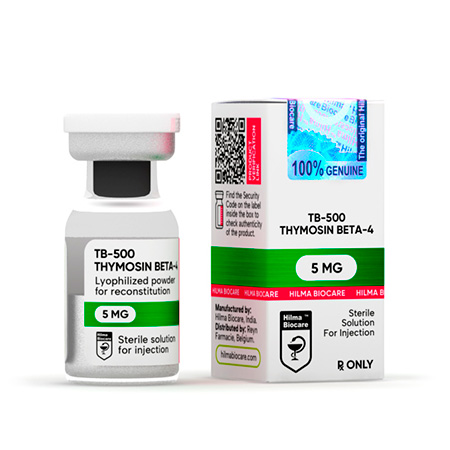
TB-500 (Thymosin Beta-4) 5 mg/Vial – 1 Vial: UK Research Product Information
Overview of TB-500
TB-500 is a synthetic peptide associated with research into thymosin beta-4 and related biological pathways. Thymosin beta-4 is a naturally occurring peptide that has been investigated in scientific studies involving cellular processes, tissue responses, migration, and repair-related mechanisms.
The listed presentation contains 5 mg per vial and includes one vial. This specification describes the stated quantity of research material supplied. It does not establish a recommended human dose, treatment schedule, or therapeutic indication.
For UK audiences, it is important to distinguish experimental research compounds from medicines authorised for human treatment. Research materials should not be presented as approved therapies for injuries, disease, athletic performance, muscle development, or recovery.
What Is Thymosin Beta-4?
Thymosin beta-4 is a naturally occurring peptide involved in several biological processes. Scientific research has examined its association with cellular migration, actin regulation, angiogenesis, and tissue-related responses.
TB-500 is commonly described in commercial research settings as a synthetic analogue or fragment associated with thymosin beta-4 research. The terminology can vary between suppliers, making accurate product identification particularly important.
Researchers should review the exact molecular identity and analytical documentation supplied with a particular batch rather than assuming that every product labelled TB-500 has identical characteristics.
5 mg/Vial Presentation
The stated product format contains 5 mg per vial with one vial supplied. The quantity identifies the amount of material described by the product specification and should not be interpreted as an administration recommendation.
When evaluating a research peptide, laboratories should consider available documentation such as batch identification, stated purity, analytical testing, molecular information, formulation details, and storage requirements.
A certificate of analysis, where available, can provide useful information about quality-control testing associated with an individual batch. Researchers should retain relevant documentation as part of their laboratory records.
Research Areas
Research involving thymosin beta-4-related pathways can cover molecular biology, cellular signalling, peptide chemistry, tissue biology, and regenerative processes.
Scientists may investigate cellular migration, cytoskeletal organisation, wound-related cellular mechanisms, or interactions within growth and repair pathways. Experimental studies can help researchers understand biological mechanisms without establishing that an experimental compound is an effective treatment for humans.
Laboratory findings must be interpreted according to the experimental model, methodology, controls, and study limitations. Results observed in cell cultures or preclinical models cannot automatically be transferred to clinical outcomes.
Laboratory Quality Considerations
Quality documentation is an important factor when evaluating experimental peptide materials. Researchers should seek clear information identifying the substance and the batch being supplied.
Useful documentation may include a certificate of analysis, purity information, batch or lot number, analytical methodology, molecular weight information, and storage recommendations. Laboratories can use these records when assessing whether material is appropriate for a particular research workflow.
Packaging should also be inspected when research materials are received. Containers should be clearly labelled and appropriately sealed. Any discrepancy involving product identity, packaging, documentation, or appearance should be investigated through the laboratory’s established quality procedures.
Storage and Handling
Storage requirements can differ according to formulation and manufacturer specifications. Researchers should therefore follow the original technical documentation rather than relying on generic recommendations.
Appropriate laboratory procedures should be used to protect research materials from unsuitable environmental conditions. Temperature, moisture, light exposure, and contamination can affect laboratory substances and should be considered within the relevant risk assessment.
Qualified personnel should handle experimental compounds using appropriate laboratory controls and protective equipment. Disposal should follow institutional procedures and applicable requirements.
UK Research Context
In the United Kingdom, research materials should be clearly distinguished from licensed medicines. A compound being discussed in scientific literature does not mean that it has been authorised as a medicine for routine human treatment.
TB-500 should therefore not be described as an approved treatment for sports injuries, muscle recovery, wound healing, inflammation, or other medical conditions. Avoiding unsupported claims helps ensure that research information remains accurate and transparent.
Research institutions should follow applicable UK requirements and internal policies relevant to their activities. Additional ethical or regulatory considerations may apply where research involves animals, human tissue, or human participants.
Responsible SEO Product Information
A useful UK research-product page should prioritise accurate information over repetitive commercial language. Search relevance can be developed naturally through related terminology such as thymosin beta-4 research, experimental peptide, peptide research material, cellular biology, molecular signalling, laboratory compound, 5 mg vial, analytical testing, and certificate of analysis.
Using related terms naturally provides topical context without repeatedly inserting the same target phrase. Clear headings, factual specifications, and transparent research-use language can also improve readability and provide visitors with more useful information.
Product Identification
Researchers considering a thymosin beta-4-related research material should verify the exact product name, stated quantity, batch information, analytical documentation, and supplier-provided specifications.
The distinction between a research compound and a licensed pharmaceutical product is particularly important when evaluating online information. Product descriptions should not imply regulatory approval, clinical effectiveness, or suitability for self-administration when such claims are unsupported.
Product Summary
TB-500 (Thymosin Beta-4) 5 mg/Vial – 1 Vial describes a research-oriented presentation containing a stated 5 mg quantity in one vial. The material is associated with scientific interest in thymosin beta-4-related biological pathways, including cellular signalling and tissue-related research.
Researchers should verify identity, purity information, batch documentation, analytical results, storage requirements, and handling procedures before incorporating an experimental material into laboratory work.
This information is intended for responsible scientific communication and UK research-focused SEO. It does not constitute medical advice, establish therapeutic efficacy, or provide instructions for human administration. Experimental peptide materials should remain within their appropriate research context and be handled by qualified personnel in accordance with suitable laboratory procedures and applicable UK requirements.
Reviews
There are no reviews yet.