
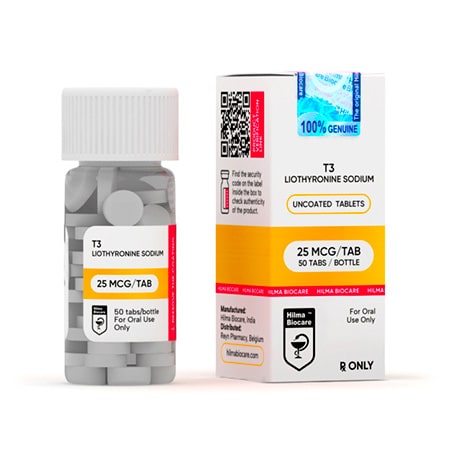
Liothyronine Sodium T3 25 mcg Tablets: UK Product Information
Liothyronine sodium is a synthetic form of triiodothyronine (T3), one of the thyroid hormones involved in regulating metabolism, energy use, and temperature. This product is described as 25 micrograms per tablet, supplied in a pack of 50 tablets.
In the United Kingdom, liothyronine has a specific place in thyroid care rather than being a routine first-line option for uncomplicated hypothyroidism. NICE recommends levothyroxine as the first-line treatment for primary hypothyroidism and advises against routinely offering liothyronine alone or alongside levothyroxine because evidence of additional benefit is limited and long-term adverse effects remain uncertain. NHS England similarly advises that initiation for hypothyroidism should be undertaken by a consultant endocrinologist when appropriate.
What Is Liothyronine Sodium T3?
Liothyronine sodium is the sodium salt of synthetic triiodothyronine. T3 is biologically active thyroid hormone and generally has a faster onset and shorter duration of action than thyroxine, or T4. Licensed UK product information describes liothyronine for selected severe or acute thyroid deficiency states and certain specialist circumstances. It may also be used in specific thyroid-related clinical settings under specialist supervision.
The 25 mcg strength is a clearly defined tablet presentation. The stated pack contains 50 tablets.
Clinical Use in the UK
UK guidance emphasises that most adults with primary hypothyroidism should receive levothyroxine. Liothyronine may be considered for a small proportion of people who have confirmed overt hypothyroidism and continuing symptoms despite appropriate levothyroxine treatment, after other possible explanations have been assessed. NHS England recommends specialist review and shared decision-making when considering treatment.
For people already receiving T3, an endocrinology review can help determine whether continuing therapy is appropriate. If treatment is withdrawn, NHS England advises that this should be gradual and guided by a specialist rather than stopped abruptly. This reinforces the importance of professional supervision and regular thyroid-function monitoring.
Why Professional Monitoring Matters
Thyroid hormones have a narrow therapeutic range, so the appropriate dose depends on the individual. Too much thyroid hormone can produce symptoms associated with over-treatment, while insufficient replacement may leave hypothyroid symptoms inadequately controlled. NHS guidance highlights the importance of monitoring thyroid-stimulating hormone and, when clinically appropriate, free T4 and free T3.
Potential concerns with excessive thyroid hormone exposure include palpitations, abnormal heart rhythms, and effects on bone health. Anyone experiencing concerning symptoms while taking thyroid medication should seek prompt medical advice. Patients should not change their prescribed dose or combine thyroid medicines without guidance from an appropriately qualified clinician.
Product Details
This presentation contains Liothyronine Sodium T3 at 25 micrograms per tablet, with 50 tablets per pack. Product pages should distinguish the active ingredient, strength, dosage form, pack quantity, and regulatory status so that visitors can make informed decisions. Clear descriptions also help reduce confusion between T3 and T4 products, which have different pharmacological characteristics.
For UK audiences, it is particularly important to avoid unsupported claims about weight loss, bodybuilding, energy enhancement, or rapid metabolic effects. Thyroid hormone medicines are not general-purpose performance or slimming products. A responsible product description should focus on accurate identification, legitimate clinical context, and appropriate medical oversight.
Storage and Handling
Medicines should be stored according to the instructions supplied with the specific authorised product. Keep tablets in their original packaging where possible, protect them from unsuitable environmental conditions, and keep them out of the reach of children. Always check the packaging, leaflet, expiry date, and supplier information before use.
Choosing a Reliable UK Supply
When researching liothyronine products in the UK, buyers should verify that the medicine is appropriately authorised or supplied through a legitimate regulated route. Packaging, manufacturer details, batch information, and patient information should be available. NHS England does not recommend unlicensed liothyronine products when their quality, safety, and efficacy cannot be assured.
A trustworthy product page should therefore prioritise transparency over exaggerated promises. It should explain what the product contains, identify its stated strength and pack size, and encourage customers to obtain professional advice before starting, stopping, or changing thyroid treatment. This approach supports accurate expectations and helps visitors distinguish regulated medical information from unsupported promotional claims online.
Frequently Asked Questions
Is 25 micrograms a standard strength?
A 25 microgram presentation is a defined strength, but the appropriate dose is individual and should be determined by a qualified clinician.
Can T3 replace T4?
Not routinely. UK guidance generally recommends levothyroxine for primary hypothyroidism, while T3 is reserved for selected circumstances under specialist care.
Should treatment be stopped suddenly?
Patients should not stop prescribed thyroid hormone therapy abruptly without medical advice. NHS England specifically recommends gradual withdrawal when discontinuation is clinically indicated.
Final Considerations
Liothyronine Sodium T3 25 mcg tablets are a specialist thyroid medicine presentation requiring careful attention to clinical indication, product quality, and monitoring. For UK readers, the most useful product information is factual, transparent, and aligned with professional guidance.
NICE and NHS England both stress that routine use is not recommended for primary hypothyroidism, while recognising that selected patients may require specialist consideration.
Reviews
There are no reviews yet.