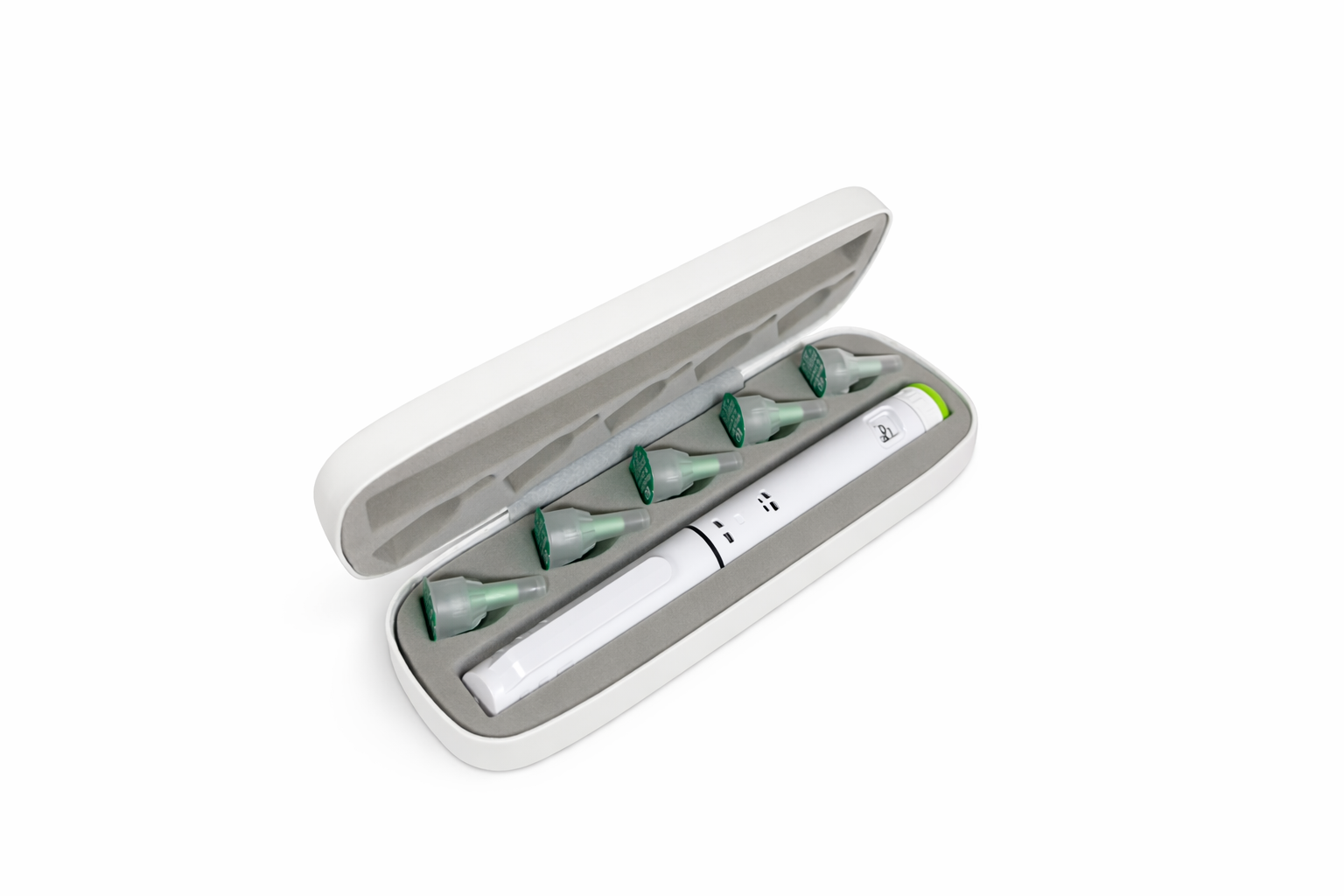
Chemco Tirzepatide: 7 Critical Risks and Essential Safety Facts
Introduction to Chemco Tirzepatide
Chemco Tirzepatide is a product name associated with tirzepatide, a medication studied and used in clinical practice for specific metabolic conditions. Tirzepatide acts on glucose-dependent insulinotropic polypeptide (GIP) and glucagon-like peptide-1 (GLP-1) receptors. These pathways are involved in blood glucose regulation, appetite, and food intake.
Authorized tirzepatide medicines are available in certain countries under prescription brands, including Mounjaro and Zepbound in the United States, for different approved indications. However, the name “Chemco Tirzepatide” alone does not establish that a particular product is manufactured by an authorized pharmaceutical company, contains authentic tirzepatide, or has received regulatory approval.
This guide explains how tirzepatide works, its potential benefits and risks, and the important considerations involved in verifying a product’s identity and regulatory status.
1. What Is Tirzepatide?
Tirzepatide is a dual GIP and GLP-1 receptor agonist. It activates two hormone-related pathways involved in metabolic regulation. Depending on the approved product and indication, tirzepatide may be prescribed to improve blood glucose control in adults with type 2 diabetes or support long-term weight management in eligible patients.
Its effects can include increased insulin secretion when blood glucose is elevated, changes in glucagon signaling, slower gastric emptying, and reduced appetite. The combined effects can influence blood sugar levels and body weight.
Although tirzepatide has demonstrated clinical benefits in appropriate patient populations, its effectiveness and safety depend on using an authorized formulation under suitable medical supervision. Results from clinical trials cannot automatically be applied to products of uncertain origin.
2. Understanding the Chemco Tirzepatide Product Name
The term “Chemco Tirzepatide” may appear in online product listings or marketing materials. Without independently verifiable manufacturer information, packaging details, and regulatory documentation, the exact identity and authorization status of a product sold under this name cannot be confirmed.
A product label, vial, pen, or seller-provided certificate is not sufficient by itself to prove authenticity. Differences in manufacturing quality, concentration, storage, and handling may affect product safety.
Before relying on any tirzepatide product, check whether it is authorized by the relevant national medicines regulator and supplied through a licensed pharmacy. Do not assume that a research-labeled or unverified product is equivalent to an authorized prescription medicine.
3. Seven Critical Tirzepatide Safety Considerations
1. Gastrointestinal side effects
Nausea, diarrhea, vomiting, constipation, and abdominal discomfort are recognized adverse effects of tirzepatide. These symptoms may affect eating, hydration, and daily activities. Persistent or severe symptoms should be assessed by a healthcare professional.
2. Pancreatitis concerns
Acute pancreatitis has been reported in people receiving tirzepatide. Severe, persistent abdominal pain, particularly when accompanied by vomiting or pain radiating to the back, requires urgent medical evaluation. A healthcare professional can determine whether treatment should be discontinued.
3. Dehydration and kidney complications
Persistent vomiting or diarrhea can cause dehydration and may worsen kidney function, particularly in people with existing kidney problems. Difficulty keeping fluids down, markedly reduced urination, or significant dizziness warrants prompt medical attention.
4. Low blood sugar with certain medications
Tirzepatide can increase the risk of hypoglycemia when used with insulin or certain medicines that stimulate insulin release, such as sulfonylureas. People taking these medicines may require professional review of their treatment plan and glucose monitoring.
5. Gallbladder-related problems
Gallstones and gallbladder inflammation are recognized concerns associated with tirzepatide treatment. Seek medical assessment for persistent upper abdominal pain, fever, yellowing of the skin or eyes, or other concerning symptoms.
6. Allergic reactions and other serious effects
Serious hypersensitivity reactions can occur. Swelling of the face or throat, difficulty breathing, or fainting may indicate a medical emergency. Tirzepatide also has important prescribing restrictions and precautions, including a boxed warning in U.S. labeling concerning thyroid C-cell tumors observed in animal studies. Patients should review the official prescribing information with their clinician.
7. Counterfeit or unverified products
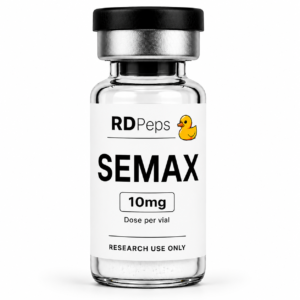
Products marketed online under unfamiliar brand names may have uncertain ingredients, inaccurate concentrations, or inadequate quality controls. The U.S. FDA has warned about unapproved tirzepatide products sold directly to consumers, including products labeled “for research purposes.” Such products should not be assumed safe for human use.
4. What Does Clinical Evidence Say About Tirzepatide?
Clinical trials have demonstrated that authorized tirzepatide formulations can improve blood glucose control in people with type 2 diabetes and support weight reduction in eligible patients when used for approved indications.
However, clinical evidence relates to specific formulations, controlled study conditions, and monitored treatment. It does not establish the effectiveness or safety of every product sold online under a similar name.
Claims of guaranteed results, rapid weight loss, or freedom from side effects should be treated cautiously. Treatment decisions should account for a person’s medical history, other medications, contraindications, and follow-up requirements.
5. Product Verification and Regulatory Status
The regulatory status of a product depends on its manufacturer, formulation, intended use, and country of sale. Approval of tirzepatide as an active ingredient does not automatically authorize every brand, vial, pen, or compounded preparation containing or claiming to contain it.
When evaluating Chemco Tirzepatide, look for verifiable manufacturer details, authorized distribution, product registration where required, and traceable packaging and batch information. Consult the relevant national medicines regulator or a licensed pharmacist if the product’s status is unclear.
A certificate of analysis or seller guarantee does not independently establish that a product is authentic, sterile, correctly formulated, or approved for treatment.
6. Storage and Handling Considerations
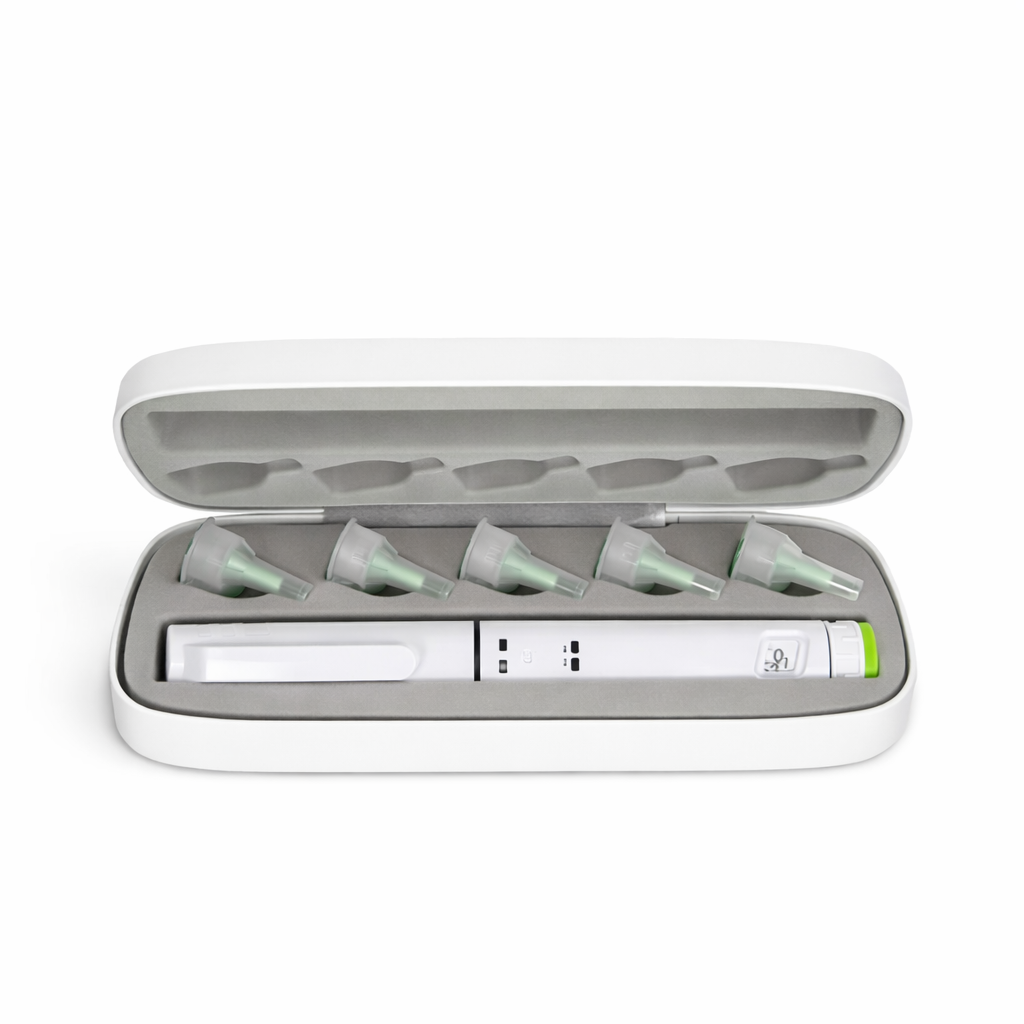
Authorized tirzepatide medicines have specific storage and handling requirements that depend on the brand and presentation. Follow the official instructions supplied with the exact prescribed product and ask a pharmacist for clarification when needed.
Do not assume that an unverified product has the same stability or storage requirements as an authorized medicine. Avoid products with damaged packaging, unclear labeling, questionable sourcing, or uncertain storage histories.
Never share injection pens or needles. If a product appears compromised or its identity cannot be verified, do not use it; seek advice from a qualified pharmacist or healthcare professional.
7. Responsible Weight and Diabetes Management
People considering tirzepatide should first discuss their goals and medical history with a qualified healthcare professional. Treatment may involve nutritional guidance, physical activity, glucose monitoring, and regular follow-up, depending on the medical indication.
A clinician can assess whether an authorized tirzepatide medicine is appropriate, review possible interactions, and explain expected benefits and adverse effects. People already taking diabetes medication should not independently change their treatment or combine injectable products based on online recommendations.
For weight management, sustainable nutrition, physical activity, sleep, and appropriate medical care remain important parts of an individualized plan.
Conclusion
Chemco Tirzepatide is a product name that should be evaluated carefully because the name alone does not confirm the manufacturer’s identity, authenticity, or regulatory approval. Tirzepatide has established prescription uses, but its benefits and risks must be understood in the context of authorized medicines and appropriate medical supervision.
Important considerations include gastrointestinal symptoms, pancreatitis warning signs, dehydration, hypoglycemia with certain medications, gallbladder complications, allergic reactions, and the risks of unverified products. Always verify the product’s regulatory status and consult a qualified healthcare professional before making treatment decisions.