Saxenda: 7 Essential Facts About Weight Management and Safety
Saxenda is a prescription medication containing liraglutide, an injectable medicine used to support long-term weight management in eligible patients. It works on appetite-regulating pathways and is prescribed alongside a reduced-calorie diet and increased physical activity. Understanding how Saxenda works, who may qualify for treatment, its potential side effects, and the precautions associated with its use is essential before considering this medication.
1. What Is Saxenda?
Saxenda is a branded prescription medication developed by Novo Nordisk. Its active ingredient, liraglutide, belongs to a class of medicines known as glucagon-like peptide-1 (GLP-1) receptor agonists.
Saxenda is used for chronic weight management in eligible adults with obesity or adults with overweight who also have at least one weight-related health condition. In certain jurisdictions, it is also authorized for eligible younger patients with obesity under specific criteria.
Eligibility requirements and approved indications vary by country. A qualified healthcare professional should determine whether treatment is appropriate for an individual.
2. How Does Saxenda Work?
It acts on GLP-1 receptors involved in appetite regulation and blood-glucose control. It can help people feel fuller, reduce hunger, and decrease food intake.
This is intended to complement long-term lifestyle changes rather than replace balanced nutrition, physical activity, or appropriate medical care. Results vary between individuals, and treatment requires ongoing assessment of benefits, tolerability, and safety.
3. Who May Be Eligible for Saxenda?
Eligibility depends on factors such as age, body mass index (BMI), weight-related medical conditions, and local prescribing guidelines.
Under US prescribing information, it is indicated alongside a reduced-calorie diet and increased physical activity for adults with obesity or adults with overweight and at least one weight-related comorbidity. It is also indicated for certain adolescents aged 12 years and older who meet specific weight and obesity criteria. Other jurisdictions may have different authorized age groups and criteria.
A clinician can assess relevant medical history, current medicines, and previous weight-management efforts before recommending treatment. this is not appropriate for everyone and should not be used solely on the basis of online recommendations.
4. Saxenda Side Effects
This can cause side effects, particularly involving the digestive system. Commonly reported effects include:
- Nausea
- Vomiting
- Diarrhea
- Constipation
- Abdominal discomfort
- Headache
- Fatigue or dizziness
- Reactions at the injection site
Some adverse effects may improve over time, but persistent or severe symptoms should be discussed with a healthcare professional. Severe, persistent abdominal pain may indicate pancreatitis and requires urgent medical assessment.
5. Important Warnings and Precautions
It has important safety considerations. The US prescribing information carries a boxed warning about thyroid C-cell tumors observed in animal studies; whether this risk applies to humans is unknown. Under US labeling, it must not be used by people with a personal or family history of medullary thyroid carcinoma or by people with Multiple Endocrine Neoplasia syndrome type 2 (MEN 2).
Other concerns include pancreatitis, gallbladder disease, dehydration-related kidney problems, increased heart rate, serious allergic reactions, and severe gastrointestinal symptoms. it may also affect the absorption of some oral medicines because it delays gastric emptying.
Tell your healthcare professional about all medicines you use and any relevant medical history. If you are pregnant or become pregnant while taking it, seek medical advice promptly; US prescribing information states that the medication should be discontinued when pregnancy is recognized.
6. How Saxenda Is Administered and Monitored
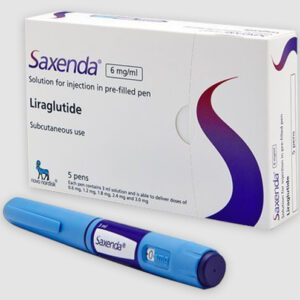
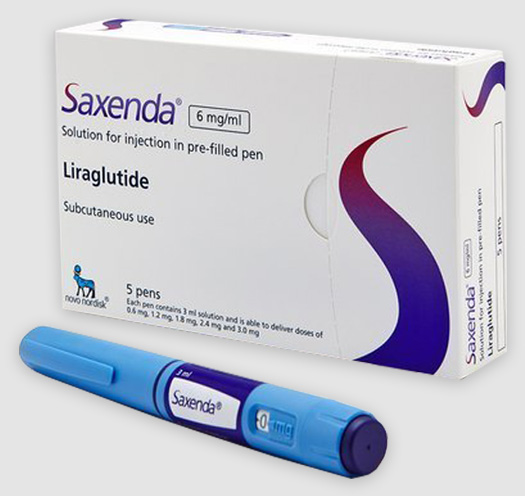
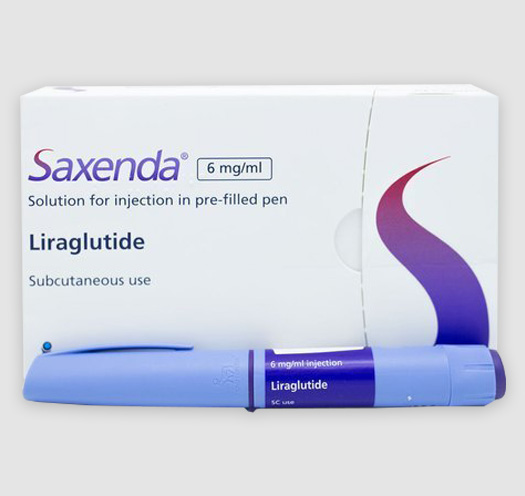
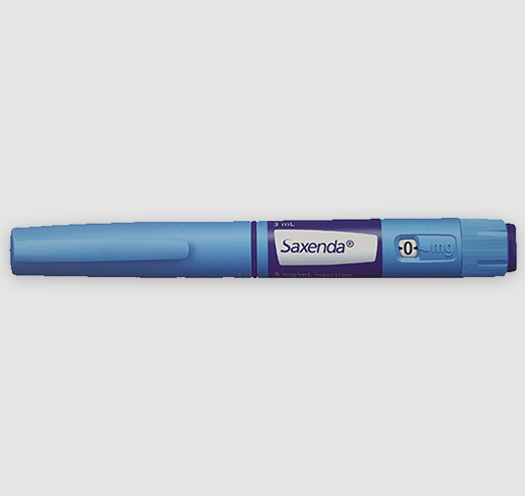
This is supplied as a prefilled pen for subcutaneous injection. The injection is administered under the skin according to the official product instructions and the treatment plan prescribed by a healthcare professional.
Treatment generally begins at a lower dose and is increased gradually according to the product’s prescribing information to help improve tolerability. Patients should not independently change the dose, accelerate dose increases, or restart treatment after a prolonged interruption without checking with their prescriber.
Regular follow-up allows a clinician to assess progress, side effects, hydration, other medical concerns, and whether continuing treatment remains appropriate. The pen is intended for individual use and should never be shared, even if the needle is changed.
7. How to Obtain Saxenda Responsibly
If you are researching it, prioritize a proper medical assessment and a legitimate supply source.
- Consult a qualified healthcare professional to determine whether the medication is appropriate.
- Obtain it through an authorized pharmacy in accordance with local prescription requirements.
- Verify the product packaging, active ingredient, expiry date, and storage instructions.
- Avoid products from unverified online sellers or listings that make guaranteed weight-loss claims.
- Do not combine it with other liraglutide-containing products or other GLP-1 receptor agonists unless specifically directed by the treating clinician and consistent with official prescribing information.
An online product listing cannot establish that a medicine is genuine or suitable for you. A licensed pharmacist can help verify the product and explain its storage and handling requirements.
Frequently Asked Questions About Saxenda
What is Saxenda used for?
It is used with a reduced-calorie diet and increased physical activity for chronic weight management in eligible patients.
What is the active ingredient in Saxenda?
The active ingredient is liraglutide, a GLP-1 receptor agonist.
Is Saxenda a tablet or an injection?
This is an injectable medication supplied in a prefilled pen.
What are the most common side effects?
Common side effects include nausea, vomiting, diarrhea, and constipation. Severe or persistent symptoms should be assessed by a healthcare professional.
Can Saxenda be used with other weight-loss medicines?
Combining it with other weight-loss products has not been established as safe and effective. It should not be combined with other liraglutide products or other GLP-1 receptor agonists under the US prescribing information. Discuss all current medicines with your prescriber.
Conclusion
This is a prescription liraglutide injection intended to support long-term weight management in eligible patients. It can help regulate appetite when combined with lifestyle changes, but it also carries potential side effects and significant medical precautions. Professional assessment, authentic medication sourcing, and ongoing monitoring are important parts of responsible treatment.
Medical disclaimer: This article is for educational and SEO purposes only. It is not medical advice, a diagnosis, or a recommendation to purchase or use Saxenda. Consult a qualified healthcare professional and follow the official product information and local prescription requirements.