Oxycodone HCl: 7 Essential Facts About Uses and Safety
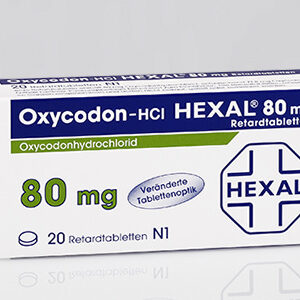
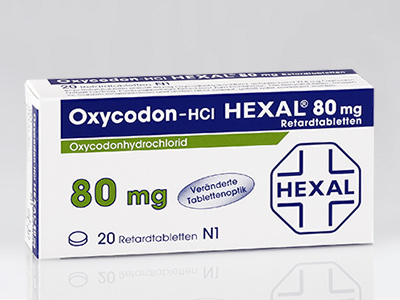
Oxycodone HCl, also known as oxycodone hydrochloride, is a prescription opioid analgesic used to manage severe pain when alternative treatments are inadequate. It works by acting on opioid receptors in the nervous system to reduce the perception of pain. Although it can provide significant pain relief under medical supervision, it carries serious risks, including respiratory depression, dependence, addiction, and potentially fatal overdose.
1. What Is Oxycodone HCl?
Oxycodone hydrochloride is the hydrochloride salt of oxycodone, a potent opioid medicine. It is available in different formulations, including immediate-release and extended-release products, depending on the country and manufacturer.
Immediate-release formulations are designed to release the medicine relatively quickly, while extended-release products release it over a longer period. These formulations are not interchangeable without professional guidance.
Oxycodone is generally reserved for situations in which the severity of pain and the patient’s clinical circumstances justify the risks associated with opioid treatment. It should only be used by the person to whom it was prescribed.
2. What Is Oxycodone HCl Used For?
Oxycodone HCl is prescribed for pain severe enough to require an opioid analgesic when other treatment options are ineffective, not tolerated, or insufficient.
Medical situations in which a clinician may consider opioid treatment include:
- Severe pain following certain operations or injuries
- Cancer-related pain
- Other severe pain conditions requiring opioid-level pain relief
The appropriate medicine depends on the cause of the pain, its severity, the patient’s medical history, and previous treatment. Oxycodone is not appropriate for every type of pain and should not be used to treat anxiety, insomnia, or emotional distress.
3. How Does Oxycodone HCl Work?
Oxycodone acts primarily on mu-opioid receptors in the brain and spinal cord. These receptors help regulate how the nervous system processes pain signals.
By activating these receptors, oxycodone can reduce pain perception and the emotional response associated with pain. However, the same mechanism can also slow breathing, reduce alertness, and affect the digestive system.
The medicine’s effects depend on its formulation, the prescribed regimen, and individual factors. Only a qualified prescriber should determine whether oxycodone is appropriate and how treatment should be managed.
4. What Are the Possible Side Effects?
Oxycodone can cause a range of side effects, including:
- Constipation
- Nausea and vomiting
- Drowsiness or sleepiness
- Dizziness
- Headache
- Itching
- Confusion
- Low blood pressure
Drowsiness and dizziness can increase the risk of falls and accidents. Do not drive or operate machinery if affected.
Respiratory depression is one of the most serious risks. Warning signs include slow, shallow, irregular, or stopped breathing; extreme sleepiness; and difficulty waking the person.
If an overdose is suspected, contact local emergency services immediately. Give naloxone if available and follow emergency instructions. Do not assume the person will recover by sleeping.
5. Important Drug Interactions and Precautions
Oxycodone can interact dangerously with other medicines and substances that depress the central nervous system.
Important examples include:
- Alcohol: Can increase sedation and the risk of breathing difficulties.
- Benzodiazepines: Medicines such as diazepam, lorazepam, and clonazepam can increase the risk of profound sedation and respiratory depression.
- Other opioids and sedatives: Combining them can increase the risk of overdose.
- Certain other prescription medicines: Some medicines alter oxycodone metabolism and can change its effects or increase toxicity.
Before treatment, tell the prescriber about all medicines, supplements, and substances being used. Extra caution may be required for people with respiratory disorders, liver or kidney problems, a history of substance-use disorders, or other significant medical conditions.
Pregnancy and breastfeeding also require professional assessment because oxycodone can pose risks to the baby.
6. Dependence, Addiction, and Overdose Prevention
Oxycodone carries a recognized risk of misuse, addiction, and physical dependence. Dependence can develop during prescribed treatment, and addiction is a separate condition involving compulsive use despite harm.
To reduce risks:
- Take the medicine only as prescribed.
- Never share it with another person.
- Never increase the amount or frequency without medical advice.
- Store it securely and away from children and other people.
- Avoid alcohol and unapproved combinations with sedating medicines.
- Dispose of unused medicine through an appropriate pharmacy or local disposal service.
Stopping suddenly after prolonged use may cause withdrawal symptoms, including restlessness, sweating, muscle aches, abdominal cramps, and diarrhea. A healthcare professional can help plan a gradual reduction when discontinuation is appropriate.
7. Frequently Asked Questions About Oxycodone HCl
Is oxycodone HCl a strong painkiller?
Yes. Oxycodone is a potent opioid analgesic used for severe pain when other options are inadequate. Its strength also means that incorrect use can cause serious harm.
Is oxycodone HCl available without a prescription?
In many countries, oxycodone is a strictly controlled prescription medicine. Local laws determine its prescribing and dispensing requirements.
Can oxycodone cause addiction?
Yes. Oxycodone can cause addiction and physical dependence. Medical supervision, careful prescribing, and regular reassessment help manage these risks.
Can oxycodone be taken with alcohol?
No. Alcohol can intensify sedation and increase the risk of life-threatening breathing problems.
What should someone do if an overdose is suspected?
Call emergency services immediately. If naloxone is available, administer it according to its instructions and follow emergency guidance. Stay with the person and monitor breathing until help arrives.
Conclusion
Oxycodone HCl is a prescription opioid medicine used to treat severe pain when alternative treatments are insufficient. It can provide important pain relief in appropriate clinical circumstances, but its risks include respiratory depression, overdose, addiction, dependence, and dangerous drug interactions.
Responsible treatment requires medical supervision, careful adherence to the prescription, secure storage, and awareness of overdose symptoms. Consult a qualified healthcare professional for individualized advice and never share opioid medication.
Medical disclaimer: This article is for educational purposes only and does not replace professional medical advice, diagnosis, or treatment. Approved formulations and prescribing requirements vary by country. Always consult the official patient information leaflet and a qualified healthcare professional.