Dilaudid 8mg: 7 Essential Facts About Uses and Safety
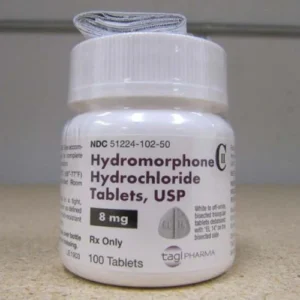
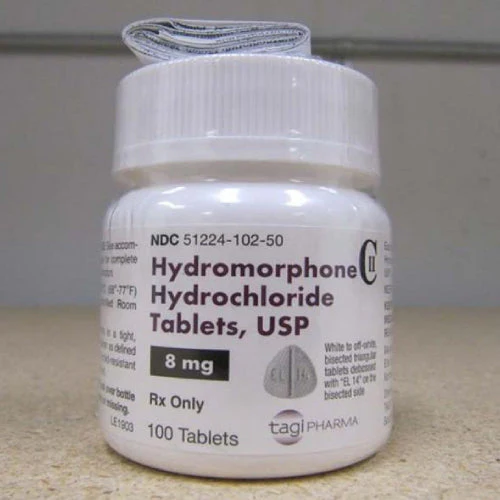
Dilaudid 8mg contains hydromorphone hydrochloride, a potent prescription opioid used to manage severe pain when alternative treatments are inadequate. Understanding Dilaudid 8mg, including its approved uses, side effects, and safety precautions, is essential because hydromorphone can cause serious adverse effects, including respiratory depression, overdose, and dependence.
1. What Is Dilaudid 8mg?
Dilaudid 8mg refers to a tablet strength of the prescription medicine Dilaudid, which contains hydromorphone. It belongs to the opioid analgesic class and is used under medical supervision for severe pain. The appropriate dose depends on a patient’s opioid tolerance, medical history, and prescribed treatment plan.
2. What Is Dilaudid 8mg Used For?
Dilaudid 8mg may be prescribed as part of an individualised treatment plan for severe pain when other treatments are insufficient or unsuitable. A healthcare professional must assess whether opioid treatment is appropriate and monitor the patient’s response. It should never be used without a valid prescription.
3. How Does Dilaudid 8mg Work?
Dilaudid 8mg works through hydromorphone, which acts on opioid receptors in the central nervous system to change how the body perceives pain. This effect can provide pain relief, but it can also slow breathing and reduce alertness. Use the medicine only as prescribed.
4. Dilaudid 8mg Side Effects
Possible side effects include nausea, vomiting, constipation, dizziness, itching, and drowsiness. Dilaudid 8mg can also cause life-threatening respiratory depression, especially when combined with alcohol, benzodiazepines, sleeping medicines, or other opioids.
Seek emergency assistance if someone has slow or shallow breathing, extreme sleepiness, or cannot be awakened normally. Administer naloxone if available and follow emergency instructions.
5. Dilaudid 8mg Interactions and Warnings
Combining hydromorphone with alcohol or other central nervous system depressants can increase the risk of severe sedation, respiratory depression, coma, and death. Tell your doctor and pharmacist about all medicines and supplements you use. Do not combine Dilaudid 8mg with sedatives unless a qualified clinician has specifically assessed and is supervising the combination.
6. Dependence and Withdrawal Risks
Dilaudid 8mg can cause physical dependence, misuse, and addiction. Taking more than prescribed increases the risk of overdose. People who have been using hydromorphone regularly should consult their prescriber before stopping, because abrupt discontinuation can cause withdrawal symptoms.
7. Safe Use and Storage
Use Dilaudid 8mg only when it has been prescribed specifically for you. Never share opioid medication, alter the prescribed dose, or combine it with alcohol. Store tablets securely away from children and other people, and ask a pharmacist about safe disposal of unused medicine.
Frequently Asked Questions
Is Dilaudid 8mg a strong opioid?
Yes. Hydromorphone is a potent opioid, and this strength is not appropriate for everyone. Only a qualified prescriber can determine the appropriate treatment.
Can Dilaudid 8mg cause dependence?
Yes. Hydromorphone can cause physical dependence and addiction. Follow your prescription and discuss any concerns with your healthcare professional.
Can Dilaudid 8mg be combined with clonazepam?
Combining hydromorphone with clonazepam can dangerously slow breathing. Do not combine them unless a clinician who knows your medical history specifically directs and supervises the treatment.
Conclusion
Dilaudid 8mg is a prescription opioid that requires careful medical supervision. Understanding its uses, side effects, interactions, and overdose risks can help readers make informed decisions with a healthcare professional. Use it only as prescribed and seek emergency help if an overdose is suspected.
Medical disclaimer: This content is for educational purposes only and is not a substitute for professional medical advice, diagnosis, or treatment.