Orlistat Capsules 120mg: 7 Essential Facts About Uses and Safety
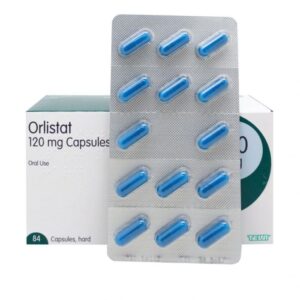
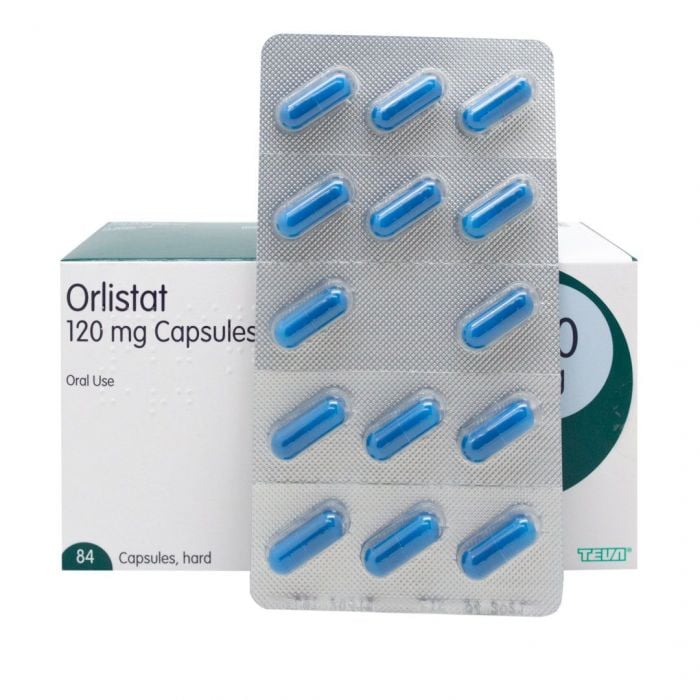
Orlistat Capsules 120mg contain orlistat, a prescription medicine used to support weight management alongside a reduced-calorie diet. It works differently from appetite-suppressing medicines because it reduces the amount of dietary fat absorbed in the digestive system. Orlistat may help eligible patients lose weight and maintain weight loss when combined with appropriate lifestyle changes.
Understanding Orlistat Capsules 120mg involves learning about their intended use, how they work, potential side effects, medication interactions, and important precautions. This guide explains seven essential facts about orlistat to support informed discussions with a qualified healthcare professional.
1. What Are Orlistat Capsules 120mg?
Orlistat is a gastrointestinal lipase inhibitor. Lipases are enzymes that break down dietary fat so that it can be absorbed by the body. By inhibiting these enzymes, orlistat reduces the absorption of some of the fat consumed in meals.
The 120mg capsule is the higher-strength formulation commonly marketed as Xenical in the United States and other markets. Availability and brand names vary by country.
Orlistat Capsules 120mg are not appetite suppressants and do not directly burn stored body fat. Their effect depends partly on the amount of dietary fat consumed and on following a suitable reduced-calorie eating plan.
2. What Are Orlistat Capsules 120mg Used For?
Orlistat Capsules 120mg are used for weight management in eligible people with obesity or, under applicable local criteria, overweight accompanied by weight-related health risks. In the United States, prescription orlistat is indicated for obesity management, including weight loss, weight maintenance, and reducing the risk of regaining weight after previous weight loss.
Treatment is intended to complement changes in eating habits and physical activity. It is not a substitute for a balanced diet, regular movement, or medical management of conditions associated with excess weight.
Eligibility criteria differ between countries. A healthcare professional can assess whether orlistat is suitable based on body mass index, medical history, current medicines, and other individual factors.
3. How Does Orlistat Work?
Orlistat acts mainly in the digestive tract. It binds to gastrointestinal lipases and prevents some dietary fat from being broken down and absorbed. The unabsorbed fat passes out of the body through bowel movements.
Because the medicine affects dietary fat rather than directly suppressing appetite, eating high-fat meals while taking it can increase digestive side effects. A balanced, reduced-calorie diet with a moderate amount of fat distributed across meals is generally recommended.
Orlistat does not guarantee weight loss. Results depend on dietary habits, physical activity, individual response, and continued adherence to a suitable weight-management plan.
4. What Are the Possible Side Effects?
Orlistat Capsules 120mg commonly cause digestive effects related to unabsorbed fat. These may include:
- Oily spotting or discharge.
- Gas accompanied by oily discharge.
- Loose stools or diarrhea.
- More frequent bowel movements.
- An urgent need to use the toilet.
- Abdominal discomfort.
These effects may be more pronounced after meals containing large amounts of fat. Following the dietary guidance provided by a healthcare professional can help reduce the likelihood of these problems.
Rare but important concerns include severe liver injury and kidney complications, including oxalate kidney stones or oxalate nephropathy. Seek medical advice promptly for yellowing of the skin or eyes, dark urine, severe abdominal pain, blood in the urine, painful urination, swelling of the legs, or a noticeable reduction in urination.
5. Which Vitamins and Medicines Can Interact With Orlistat?
Because orlistat reduces fat absorption, it can also reduce the absorption of fat-soluble vitamins A, D, E, and K, as well as beta-carotene. Product labeling recommends a multivitamin containing fat-soluble vitamins, generally taken at least two hours before or after orlistat, such as at bedtime.
Orlistat can also interact with certain medicines, including:
- Cyclosporine: Orlistat may reduce its absorption and affect treatment.
- Levothyroxine: The medicines should be separated by the interval specified in the product labeling, and thyroid function may need monitoring.
- Warfarin: Changes in vitamin K absorption can affect blood clotting and may require closer monitoring.
- Certain antiepileptic medicines: Changes in treatment effectiveness or seizure control may occur.
- Some HIV medicines and amiodarone: Potential interactions require professional review.
Provide your doctor or pharmacist with a complete list of medicines and supplements before starting treatment. Do not change prescribed medication schedules without professional guidance.
6. Who Should Avoid Orlistat Capsules 120mg?
Orlistat is not appropriate for everyone. Under U.S. prescribing information, it is contraindicated during pregnancy, in people with chronic malabsorption syndrome, in those with cholestasis, and in people with known hypersensitivity to the product.
People with kidney disease or a history of kidney stones should discuss the risks with a healthcare professional before treatment. Orlistat has been associated with rare kidney injury and oxalate-related complications.
Additional assessment may be appropriate for people with liver disease, nutritional deficiencies, or complex medication regimens. A healthcare professional can determine whether another weight-management approach would be safer.
7. How Can Orlistat Be Used Safely?
For the U.S. prescription 120mg formulation, product labeling describes taking one capsule with each main meal containing fat, during the meal or up to one hour afterward. If a meal is missed or contains no fat, the dose is omitted. This is general label information, not a personalized prescription; always follow the instructions supplied with your specific product and your clinician’s advice.
Orlistat should be combined with a nutritionally balanced, reduced-calorie diet. Do not take more than prescribed in an attempt to accelerate weight loss, as higher doses have not been shown to provide additional benefit.
Regular follow-up can help assess weight-management progress, nutritional status, side effects, and possible interactions. Keep the medication securely stored and out of children’s reach.
Frequently Asked Questions
What are Orlistat Capsules 120mg used for?
They are used with a reduced-calorie diet to support weight loss, weight maintenance, and reduced risk of weight regain in eligible patients.
Does orlistat suppress appetite?
No. Orlistat mainly reduces the absorption of some dietary fat in the digestive system rather than directly suppressing appetite.
Can orlistat cause oily stools?
Yes. Oily stools, gas with oily discharge, and urgent bowel movements are recognized side effects, especially after high-fat meals.
Does orlistat affect vitamin absorption?
Yes. It can reduce absorption of vitamins A, D, E, and K, so product labeling recommends a suitable multivitamin taken at a separate time.
Conclusion
Orlistat Capsules 120mg are a weight-management medicine that reduces the absorption of some dietary fat. When combined with a reduced-calorie diet and physical activity, they may help eligible patients lose weight and maintain weight reduction.
However, digestive side effects, vitamin absorption changes, medication interactions, and rare kidney or liver complications require attention. Professional assessment and correct use are essential for safer treatment.
Medical disclaimer: This article is for educational purposes only. It does not replace professional medical advice, diagnosis, or treatment.