
Dihydrocodeine: 7 Essential Facts About Pain Relief and Safety
Dihydrocodeine is a prescription opioid painkiller used to relieve certain types of moderate to severe pain. It works by acting on the central nervous system to change how the body perceives pain. Although it can provide effective relief when prescribed appropriately, it also carries risks, including drowsiness, constipation, slowed breathing, physical dependence, and addiction.
1. What Is Dihydrocodeine?
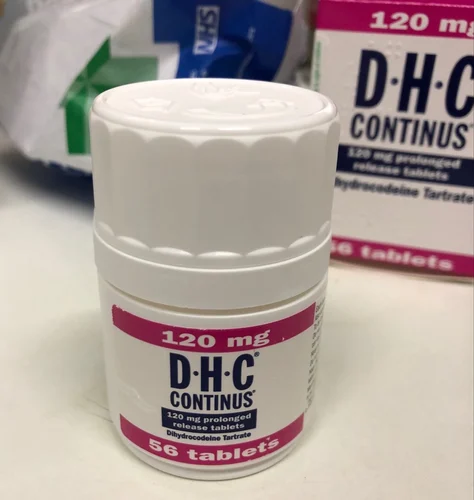
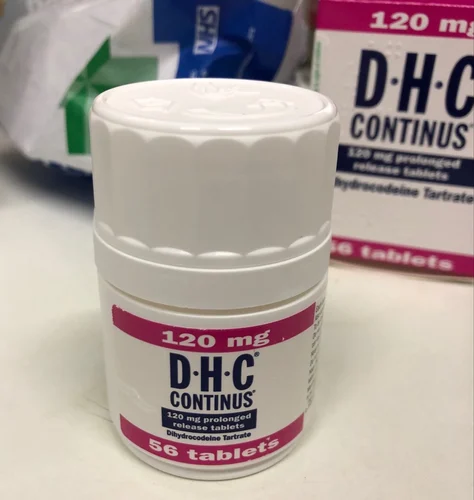
This is an opioid analgesic, meaning it belongs to a group of medicines that relieve pain by acting on the brain and nervous system. It is available in different formulations, including immediate-release tablets, prolonged-release tablets, and oral liquid, depending on the country and product.
Healthcare professionals may prescribe dihydrocodeine when the nature and severity of a person’s pain warrant an opioid medicine. Some products are designed for short-term pain relief, while certain prolonged-release formulations are prescribed for ongoing severe pain under medical supervision.
This is also available in combination medicines containing paracetamol. Patients should check the active ingredients of every medicine they take to avoid accidentally doubling up on painkillers or combining opioids without medical advice.
2. What Is Dihydrocodeine Used For?
This is primarily used for pain relief. Depending on the formulation and local product approval, it may be prescribed for pain associated with an injury, surgery, or certain chronic conditions.
It may be considered when other painkillers have not provided sufficient relief and a clinician determines that opioid treatment is appropriate. The decision depends on the underlying condition, the expected duration of pain, the patient’s medical history, and the potential risks of treatment.
It does not necessarily treat the underlying cause of pain. If symptoms persist, worsen, or repeatedly return, a healthcare professional should reassess the condition rather than simply increasing the medication.
3. How Does Dihydrocodeine Work?
This acts on opioid receptors in the central nervous system. By changing how pain signals are processed, it can reduce the intensity of pain a person experiences.
The medicine can also affect other body functions. It may slow digestive movement, leading to constipation, and can cause drowsiness or dizziness. At higher exposures, or in susceptible individuals, it can suppress breathing.
The response to it varies between individuals. Age, other medicines, liver or kidney function, and underlying breathing problems can affect its safety. This is why the dose and formulation must be selected by a qualified healthcare professional rather than copied from another person’s prescription.
4. Dihydrocodeine Dosage and Administration
The correct dose depends on the specific product, whether it is immediate-release or prolonged-release, the severity of the pain, and individual medical factors. Different formulations are not interchangeable on a tablet-for-tablet basis.
Follow the prescription label and the patient information leaflet supplied with the medicine. Swallow prolonged-release tablets whole unless the product instructions explicitly state otherwise. Do not crush or chew them, because this may release the medicine too quickly.
Important precautions include:
- Take only the amount prescribed by your healthcare professional.
- Do not take an extra dose if the medicine seems less effective.
- Do not double a dose to make up for one that was missed.
- Avoid alcohol while taking it.
- Ask a pharmacist before combining it with other medicines that cause drowsiness.
- Discuss a safe plan for reducing or stopping treatment if you have been taking it regularly.
Taking more dihydrocodeine than prescribed can be dangerous. If an overdose is suspected, seek urgent medical assistance even if symptoms are not immediately apparent.
5. Common Side Effects of Dihydrocodeine
Like other opioid medicines, dihydrocodeine can cause side effects. Commonly reported effects include:
- Constipation
- Nausea or vomiting
- Drowsiness or tiredness
- Dry mouth
- Headache
- Dizziness
Some effects may improve over time, but persistent or troublesome symptoms should be discussed with a healthcare professional. A pharmacist or clinician can advise on appropriate ways to manage constipation or other side effects.
More serious effects include slow or shallow breathing, severe allergic reactions, fainting, and marked confusion or sleepiness. Seek emergency medical help if someone is difficult to wake, has severe breathing difficulty, or develops signs of a serious allergic reaction.
Do not drive or operate machinery if dihydrocodeine makes you sleepy, dizzy, or less alert.
6. Dependence, Interactions, and Important Warnings
This can cause tolerance, physical dependence, and addiction. With regular use, the body may adapt to the medicine, and stopping suddenly can trigger withdrawal symptoms. If treatment has continued for an extended period, a prescriber may recommend reducing the dose gradually.
Avoid alcohol because it can increase drowsiness and other adverse effects. Combining dihydrocodeine with benzodiazepines, sleeping tablets, other opioids, or other sedating medicines can cause profound sedation and potentially life-threatening breathing suppression.
Before treatment, tell your healthcare professional if you have breathing problems, sleep apnea, liver or kidney disease, a history of substance-use problems, a head injury, or other significant medical conditions.
This is not suitable for everyone, and special precautions apply during pregnancy and breastfeeding. It should not be given to children below the age specified in the relevant product information. Keep the medicine secured and out of children’s reach.
Never share prescribed dihydrocodeine with another person. The same dose can affect people differently, particularly those who are not accustomed to opioids.
7. Safe Pain Management and Alternatives
Safe pain management begins with identifying the cause of the pain and choosing a treatment suited to the individual’s needs. Depending on the condition and medical history, alternatives may include paracetamol, an anti-inflammatory medicine such as ibuprofen when appropriate, topical treatments, physical therapy, or treatment directed at the underlying problem.
These alternatives are not suitable for everyone, so a clinician or pharmacist should review relevant conditions and current medicines before recommending a change.
If dihydrocodeine is not providing adequate relief, causes troublesome side effects, or is needed for longer than expected, contact the prescriber rather than increasing the dose. The treatment plan should include regular review of whether the medicine remains necessary and how it can be stopped safely.
Frequently Asked Questions About Dihydrocodeine
What is dihydrocodeine used for?
Dihydrocodeine is an opioid painkiller prescribed for certain types of pain when a healthcare professional determines that opioid treatment is appropriate.
Is dihydrocodeine an opioid?
Yes. It acts on opioid receptors in the central nervous system to reduce the perception of pain.
Can dihydrocodeine cause addiction?
Yes. Regular use can cause tolerance and physical dependence, and some people develop addiction. Use it only as prescribed and discuss prolonged treatment with your clinician.
Can I drink alcohol while taking dihydrocodeine?
Avoid alcohol because it can increase drowsiness and the risk of dangerous breathing problems.
Can dihydrocodeine be taken with codeine?
Do not combine dihydrocodeine with codeine or another opioid unless a qualified healthcare professional has explicitly instructed you to do so. Combining opioids can increase the risk of serious side effects and overdose.
What should I do if I miss a dose?
Follow the instructions for your specific formulation or ask a pharmacist. Do not take a double dose to make up for a missed one.
Conclusion
Dihydrocodeine is an opioid medicine that can help relieve certain types of pain when used under appropriate medical supervision. However, it carries important risks, including constipation, drowsiness, respiratory depression, dependence, and potentially dangerous interactions with alcohol or sedating medicines.
Following the prescribed instructions, using the medicine for the recommended duration, storing it securely, and seeking professional advice when pain persists can support safer pain management.
Medical disclaimer: This article is for general educational purposes only and does not replace professional medical advice, diagnosis, or treatment. Dihydrocodeine should be used only according to the specific product information and the instructions of a qualified healthcare professional.