7 Helpful Facts About Sleepose-10 10mg Melatonin
Introduction
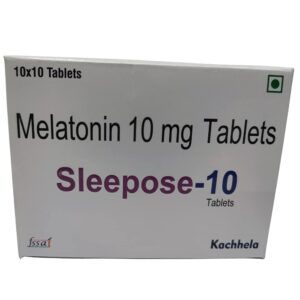
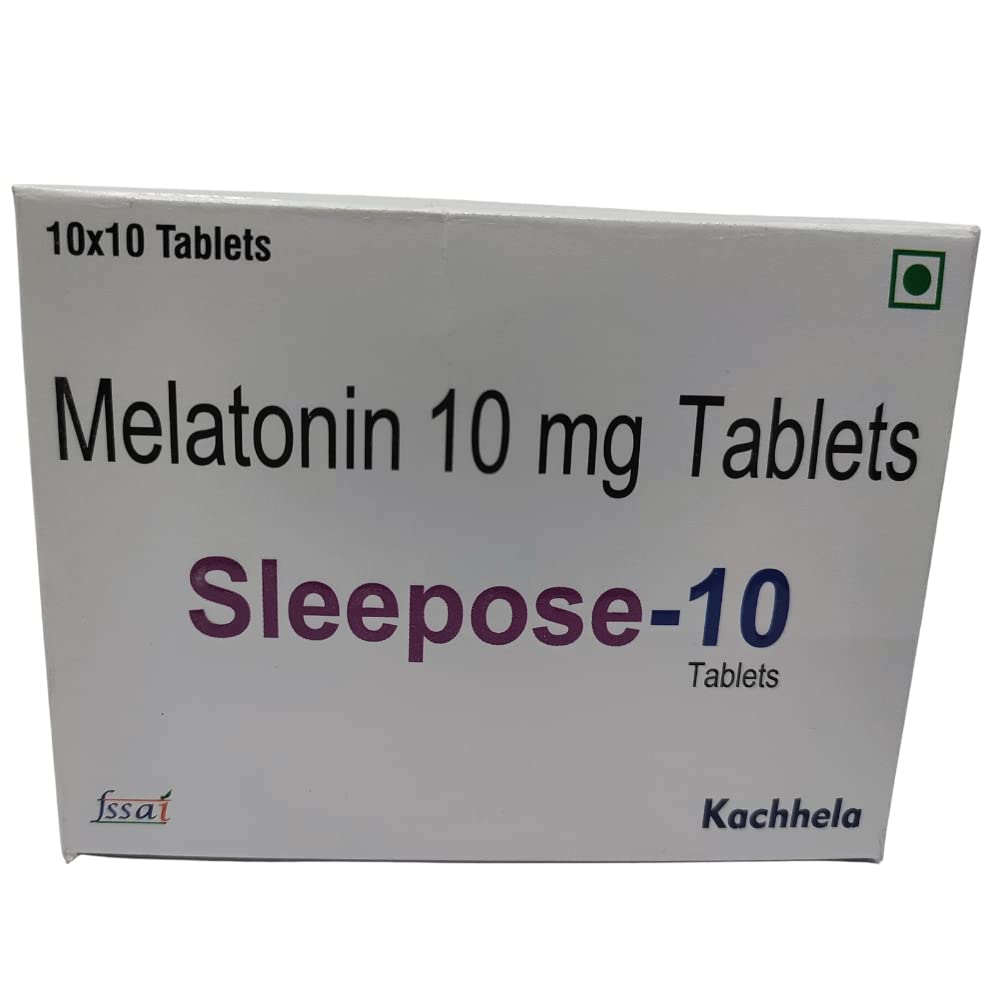
Melatonin 10mg – Sleepose-10 is a product labelled as containing 10mg of melatonin. Melatonin is a hormone naturally produced by the body that helps regulate the sleep-wake cycle. Its levels typically rise in the evening and decrease during daylight hours.
Melatonin medicines and supplements are used in some circumstances to help manage sleep-timing problems and certain types of insomnia. However, suitability depends on a person’s age, health, the cause of their sleep difficulties, and local product regulations.
This guide explains melatonin’s uses, how it works, potential side effects, interactions, and essential safety considerations. It also highlights a product-quality concern reported by Australia’s Therapeutic Goods Administration (TGA). The information is educational and does not replace professional medical advice.
1. What Is Sleepose-10 10mg?
Sleepose-10 is labelled as a melatonin 10mg product. Melatonin is involved in regulating circadian rhythms, which help coordinate the body’s daily patterns of sleep and wakefulness.
Melatonin products vary in their formulation, release characteristics, regulatory status, and quality. The product packaging and official leaflet should be checked to establish whether a particular tablet is immediate-release or modified-release and what instructions apply.
Importantly, a product’s name and label do not independently verify its actual contents. In a report on imported melatonin products, Australia’s TGA found substantial differences between labelled and measured melatonin content in tested samples, including a sample labelled Sleepose-10 10mg. This finding makes reliable sourcing and product verification particularly important.
2. What Is Melatonin Used For?
Melatonin may be used under appropriate medical guidance for certain sleep-related problems. Depending on the country and formulation, its uses may include short-term insomnia management, circadian rhythm sleep disorders, and jet lag.
It may help some people fall asleep more easily when the timing of their natural sleep cycle is disrupted. However, its effectiveness varies, and it is not a universal solution for every cause of poor sleep.
Insomnia can result from stress, irregular sleep schedules, caffeine, alcohol, medication effects, anxiety, depression, or underlying medical conditions. Addressing the cause is an important part of effective care.
Persistent sleep problems, loud snoring with interrupted breathing, or severe daytime sleepiness warrant medical assessment rather than simply increasing a sleep aid’s strength.
3. How Does Melatonin Work?
Melatonin acts on receptors involved in the body’s internal clock. It helps communicate that it is time for biological night, supporting the regulation of sleep timing.
Unlike many conventional sleeping medicines, melatonin primarily influences circadian timing rather than acting simply as a general sedative. Its effects depend partly on when it is taken relative to a person’s natural sleep-wake cycle.
Taking it at an inappropriate time may not provide the expected benefit. The correct timing and formulation depend on the reason for use and the instructions provided by a healthcare professional.
A higher labelled strength does not necessarily mean better sleep. Appropriate dosing should be individualised, and people should not assume that a 10mg product is the right starting point for them.
4. Possible Side Effects
Melatonin is generally tolerated by many people during short-term use, but side effects can occur.
Reported side effects include:
- Daytime sleepiness or fatigue
- Headache
- Dizziness
- Nausea or stomach discomfort
- Irritability or restlessness
- Unusual dreams
Some people may experience impaired concentration or coordination after taking melatonin. Avoid driving or operating machinery if you feel sleepy, dizzy, or less alert.
Alcohol can increase drowsiness and interfere with sleep quality. Seek professional advice if side effects persist, become troublesome, or affect daily activities.
Urgent medical assistance is appropriate for severe allergic symptoms, fainting, marked confusion, or other serious unexpected reactions.
5. Important Drug Interactions and Precautions
Melatonin can interact with medicines that affect alertness, blood clotting, or the way medicines are processed in the body.
Examples requiring professional review include:
- Sedatives and sleeping medicines
- Certain antidepressants, including fluvoxamine
- Opioid pain medicines
- Warfarin and other medicines affecting blood clotting
- Some blood pressure and seizure medicines
Do not combine melatonin with alcohol or other sleep-inducing substances without professional advice. Combining products that cause drowsiness can increase impairment.
People who are pregnant or breastfeeding, have significant medical conditions, or take several medicines should consult a healthcare professional before using melatonin. Seek advice before giving it to a child or teenager.
Follow the instructions for the exact product supplied. Do not take extra tablets because the expected effect has not occurred, and do not assume that products with similar names have identical ingredients or release characteristics.
6. Why Product Quality Matters
A product’s labelled strength is not a guarantee that every tablet contains that exact amount.
Australia’s TGA published laboratory findings on imported melatonin products. In the tested Sleepose-10 10mg sample, the measured melatonin content averaged 41.6% of the labelled amount, with results ranging from 21.3% to 58.9%.
These results relate to the tested sample and should not automatically be applied to every batch, market, or product sold under the same name. Nevertheless, they demonstrate why reliable manufacturing, independent quality controls, and appropriate regulatory oversight matter.
Before using Sleepose-10, check the manufacturer details, batch number, expiry date, packaging integrity, and local registration status. Obtain medicines from a reputable, licensed source where required, and ask a pharmacist to verify the product if anything is unclear.
7. Sleep Habits That May Help
Medicines are only one part of managing sleep difficulties. Consistent sleep habits may also help improve sleep quality.
Consider the following measures:
- Keep a consistent bedtime and wake-up time.
- Reduce caffeine intake later in the day.
- Avoid alcohol as a sleep aid.
- Create a dark, quiet, comfortable sleeping environment.
- Reduce stimulating screen use close to bedtime.
- Establish a relaxing wind-down routine.
- Seek medical assessment if sleep problems persist.
For chronic insomnia, cognitive behavioural therapy for insomnia (CBT-I) is an established treatment option. A clinician can help determine whether behavioural treatment, investigation of an underlying condition, medication, or a combination of approaches is appropriate.
Frequently Asked Questions
What is Sleepose-10 10mg?
It is a product labelled as containing 10mg of melatonin. Verify the exact formulation and product quality before use.
Does melatonin help with sleep?
It may help certain sleep-timing problems and some short-term sleep difficulties, but results vary according to the individual and the cause of the problem.
Is 10mg melatonin suitable for everyone?
No. A 10mg strength may not be appropriate for every person. A healthcare professional can advise on whether melatonin is suitable and what dose and timing are appropriate.
Can melatonin cause next-day drowsiness?
Yes. Drowsiness, dizziness, and reduced alertness can occur. Avoid driving or operating machinery if affected. Melatonin 10mg – Sleepose-10 Melatonin 10mg – Sleepose-10 Melatonin 10mg – Sleepose-10 Melatonin 10mg – Sleepose-10 Melatonin 10mg – Sleepose-10Melatonin 10mg – Sleepose-10 Melatonin 10mg – Sleepose-10 Melatonin 10mg – Sleepose-10 Melatonin 10mg – Sleepose-10Melatonin 10mg – Sleepose-10 Melatonin 10mg – Sleepose-10 Melatonin 10mg – Sleepose-10 Melatonin 10mg – Sleepose-10 Melatonin 10mg – Sleepose-10
Is Sleepose-10 quality verified?
The TGA reported a lower-than-labelled melatonin content in a tested Sleepose-10 10mg sample. This finding does not establish the content of every batch or the status of products in every country. Check current local regulatory information and consult a pharmacist.
Conclusion
Sleepose-10 10mg is labelled as a melatonin product intended to support sleep-related needs. Melatonin can be useful in selected circumstances, but it is not suitable for everyone and may cause side effects or interact with other medicines.
Product verification is especially important given the TGA’s findings involving a tested Sleepose-10 sample. Confirm the product’s identity and quality, follow professional advice, and seek medical assessment for persistent sleep difficulties.
Medical disclaimer: This article is for educational purposes only. It does not replace a medical assessment, establish the quality of an individual product or batch, or recommend a particular dose. Follow local regulations and the official instructions for the verified product.
References
- NHS. About melatonin.
- NHS. Melatonin side effects.
- NHS. Melatonin interactions with other medicines.
- Therapeutic Goods Administration (Australia). Imported melatonin samples: Summary report.