BAC Water 10ml Vial: 7 Critical Safety Facts You Must Know
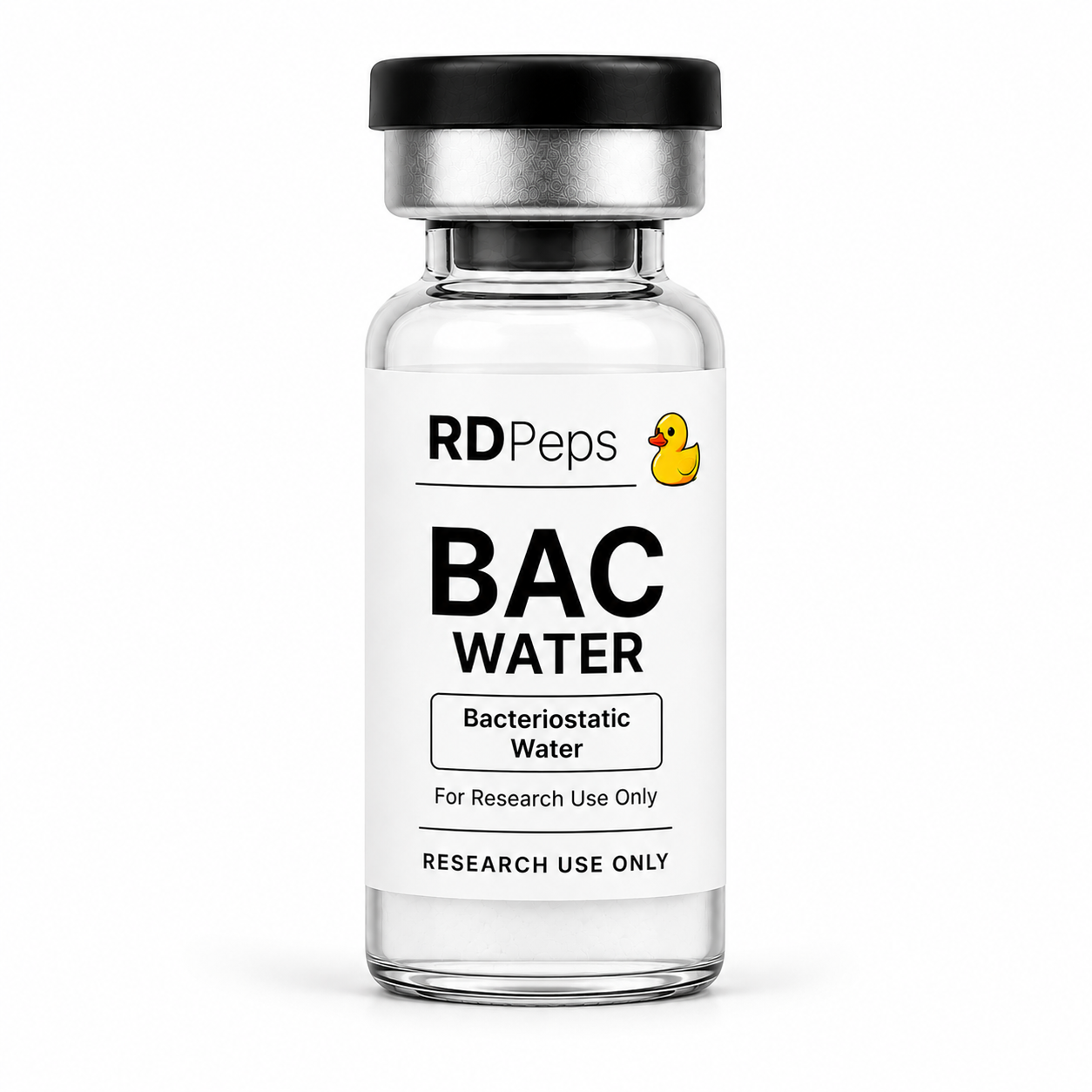
BAC Water 10ml Vial is a product description commonly associated with bacteriostatic water, a sterile preparation containing a small amount of an antimicrobial preservative. Certain bacteriostatic water products are intended to dilute or dissolve compatible medications for injection when their approved labeling permits that use. However, not every product advertised as bacteriostatic water is verified, sterile, or suitable for medical use.
Understanding the intended purpose, product labeling, storage requirements, and potential safety concerns is essential. A 10 mL vial should not be assumed to be interchangeable with sterile water for injection, saline, or other diluents. The correct product depends on the specific medication and its official instructions. BAC Water 10ml Vial BAC Water 10ml Vial BAC Water 10ml Vial BAC Water 10ml Vial BAC Water 10ml Vial BAC Water 10ml Vial BAC Water 10ml Vial BAC Water 10ml Vial BAC Water 10ml Vial BAC Water 10ml Vial BAC Water 10ml Vial BAC Water 10ml Vial
1. What Is BAC Water?
Bacteriostatic water is sterile water containing an antimicrobial preservative, commonly benzyl alcohol. The preservative helps inhibit the growth of certain microorganisms under specified conditions after the vial has been opened or entered, according to the product’s labeling.
Bacteriostatic water is not itself a medication that treats an illness. It is a diluent intended for certain medical preparations. Its suitability depends on the drug being prepared, the manufacturer’s instructions, and the applicable product labeling.
A product described as a BAC Water 10ml Vial should be evaluated by checking its manufacturer, ingredients, intended use, sterility claims, and regulatory status rather than relying on the product name alone.
2. What Does “10ml Vial” Mean?
The term “10 mL” generally refers to the stated volume of liquid in the container. It does not indicate that the contents are appropriate for every injectable medication or that the vial can be used indefinitely after opening.
Important label details include:
- Volume: The stated quantity of liquid in the container.
- Ingredients: Whether an antimicrobial preservative is present and which one is used.
- Intended use: The specific purposes described in the approved labeling.
- Manufacturer: The company responsible for producing and releasing the product.
- Storage instructions: The conditions required to maintain product quality.
- Expiry and lot information: Details needed to identify and trace the product.
The label should clearly identify the preparation and its intended medical use. If this information is missing or inconsistent, ask a pharmacist before using the product.
3. Seven Critical Safety Facts
Fact 1: BAC Water Is Not Suitable for Every Medication
Different medicines require specific diluents. Some products must be reconstituted with a particular solution, while others must not be mixed with bacteriostatic water at all.
Using an incompatible diluent can affect a medication’s stability, concentration, effectiveness, or safety. Always follow the instructions for the exact prescribed medicine.
Fact 2: The Preservative Can Matter
Benzyl alcohol is commonly used as the preservative in bacteriostatic water. Although it helps limit microbial growth under specified conditions, it can be unsuitable for certain patients and formulations.
Bacteriostatic water containing benzyl alcohol is generally not appropriate for use in newborns. The preservative may also be unsuitable for particular medications or patients with relevant sensitivities. Check the official labeling and seek professional advice.
Fact 3: Sterility Must Be Verified
A product’s appearance or online description cannot establish sterility. Contamination may occur during manufacturing, transport, storage, or handling.
Use only a verified medical product from a reliable, authorized source. Do not use a vial if its seal is compromised, its labeling is incomplete, or its storage history is uncertain.
Fact 4: A Preservative Does Not Eliminate Infection Risk
The term “bacteriostatic” does not mean that a vial is immune to contamination. The preservative is not a substitute for sterile technique and does not make contaminated liquid safe to inject.
Never assume that a used vial is safe simply because it contains a preservative. Follow the manufacturer’s instructions and applicable infection-control guidance.
Fact 5: Storage and Expiration Requirements Matter
Storage conditions depend on the specific product. Excessive heat, freezing, damaged packaging, or improper handling may compromise quality.
Check the expiry date before use and follow the manufacturer’s storage instructions. Do not use a product that has expired or shows evidence of damage or contamination.
Fact 6: The Vial Is Not Automatically Compatible With Peptides
Online listings may market bacteriostatic water alongside peptides, hormones, or other injectable substances. This does not establish that the water is an appropriate diluent for any particular product.
Compatibility, stability, sterility, and the authorized route of administration must be established for the specific medication. Do not rely on seller instructions or generalized online mixing charts when official guidance is available.
Fact 7: Product Authenticity and Regulatory Status Matter
Products sold under similar names can differ in formulation, manufacturing standards, and intended use. An online seller’s claims, product photographs, or certificate do not independently prove authenticity or regulatory authorization.
Verify the manufacturer and product through the relevant national medicines regulator or a licensed pharmacist. Avoid products with missing lot numbers, unclear ingredient information, or unsupported claims of pharmaceutical quality.
4. BAC Water Versus Sterile Water for Injection
Although both preparations contain sterile water, they are not interchangeable in every situation.
Bacteriostatic water contains an antimicrobial preservative and is intended for specified uses described in its labeling.
Sterile Water for Injection generally contains no antimicrobial preservative and is intended for appropriate medical uses under its own labeling.
The choice depends on the medication, its instructions, and patient-specific factors. Using the wrong diluent may create safety problems, so the prescribed product’s instructions should always take priority.
5. Safe Handling and Medical Considerations
Before using bacteriostatic water, confirm that the product is appropriate for the intended medication and route of administration. A pharmacist can help verify the product, explain the label, and identify relevant contraindications.
Use the vial only as directed by its manufacturer and the medication’s official instructions. Do not share needles or syringes, and do not assume that changing the needle makes a previously used syringe safe. Never use a vial if contamination is suspected.
If an injection is followed by increasing redness, swelling, warmth, worsening pain, fever, or drainage at the injection site, seek medical assessment. Severe symptoms or signs of a serious allergic reaction require urgent medical care.
6. Frequently Asked Questions
What is a BAC Water 10ml Vial used for?
It may be used as a diluent for certain compatible medications when the product’s official labeling permits that use. The exact intended use must be confirmed from the specific product label and medication instructions.
Is bacteriostatic water the same as sterile water?
No. Bacteriostatic water typically contains an antimicrobial preservative, whereas Sterile Water for Injection generally does not. Their approved uses and handling instructions differ.
Can bacteriostatic water be used with any peptide?
No. Compatibility and stability vary by product. A seller’s recommendation is not sufficient evidence that a particular diluent is suitable for a specific peptide or injectable medication.
Does the preservative guarantee that an opened vial is safe?
No. The preservative does not eliminate contamination risk. Follow the product’s instructions for use, handling, and disposal.
How can product quality be checked?
Review the manufacturer, ingredients, labeling, lot number, expiry date, packaging integrity, and regulatory status. A licensed pharmacist can help assess whether the product is appropriate for its intended use.
Conclusion
A BAC Water 10ml Vial may be intended for use as a diluent in specific medical applications, but suitability depends on the exact product and medication. Preservative content, compatibility, sterility, storage, and product authenticity are all important safety considerations. Do not assume that a vial is appropriate for injection merely because it is marketed as bacteriostatic water. Verify the product and follow official medical instructions to reduce avoidable risks.