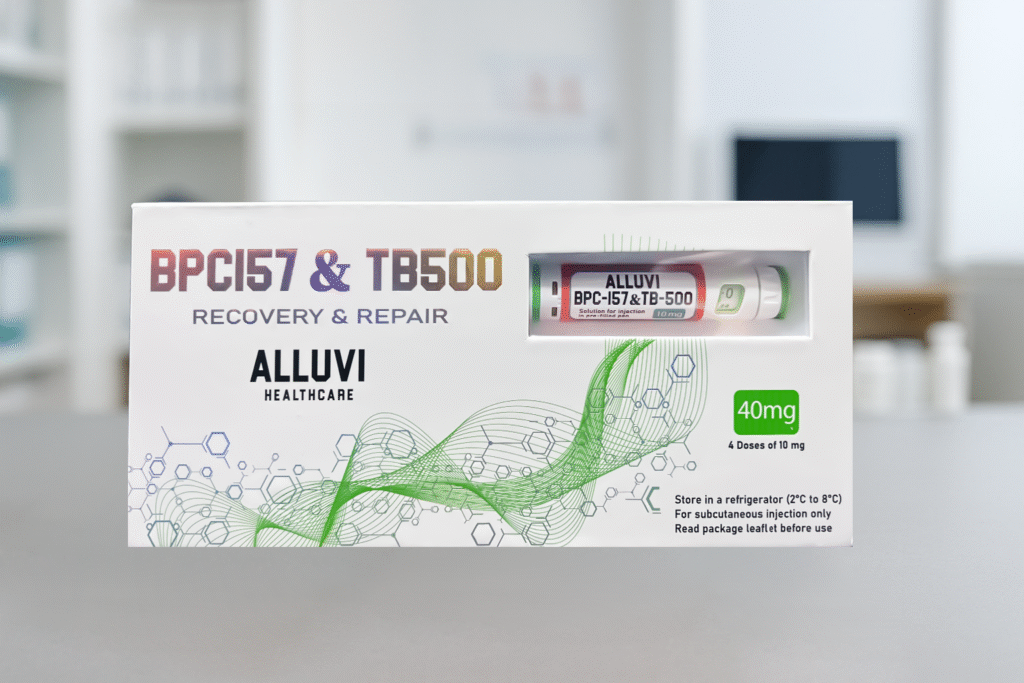
7 Essential Facts About BPC-157 & TB-500: Benefits, Research, and Safety
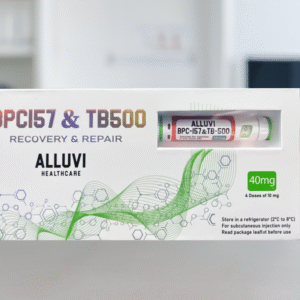
1. What Are BPC-157 and TB-500? BPC-157 & TB-500 BPC-157 & TB-500 BPC-157 & TB-500 BPC-157 & TB-500 BPC-157 & TB-500 BPC-157 & TB-500
BPC-157 and TB-500 are synthetic peptides that have attracted attention in online wellness, fitness, and injury-recovery communities. They are often marketed individually or together for claims involving tissue repair, muscle recovery, and healing.
BPC-157 is a laboratory-made peptide consisting of 15 amino acids. It is based on a sequence associated with a protein found in gastric juice and has primarily been studied in laboratory and animal research.
TB-500 is commonly described as a synthetic peptide fragment related to thymosin beta-4, a naturally occurring protein involved in cellular movement and tissue-related processes. The exact identity and composition of products sold as TB-500 can vary, so the product label alone may not establish what a vial contains.
Although these compounds are promoted for various health and performance goals, neither has an established, FDA-approved therapeutic use in the United States. Their advertised benefits should not be confused with proven clinical outcomes in humans.
2. How Do BPC-157 and TB-500 Work?
Researchers have investigated BPC-157 for possible effects on processes involved in blood vessel formation, cellular signalling, inflammation, and tissue biology. Much of this research comes from laboratory experiments and animal models. BPC-157 & TB-500 BPC-157 & TB-500 BPC-157 & TB-500 BPC-157 & TB-500 BPC-157 & TB-500 BPC-157 & TB-500 BPC-157 & TB-500 BPC-157 & TB-500
TB-500 is associated in marketing materials with the cellular functions of thymosin beta-4, including actin-related processes and cell migration. These mechanisms have generated scientific interest, but findings about a naturally occurring protein cannot automatically establish the effects or safety of a synthetic fragment.
The biological mechanisms of both peptides remain insufficiently characterised for reliable clinical recommendations. Researchers still need to establish how these substances behave in the human body, what effects they may produce at different exposures, and whether any potential benefits outweigh their risks.
3. Why Are BPC-157 and TB-500 Marketed Together?
Some online sellers promote the combination as a peptide stack for exercise recovery, tendon and ligament support, or general tissue repair. These claims are largely based on preclinical research, proposed biological mechanisms, and anecdotal reports rather than strong clinical evidence.
Combining two experimental substances does not automatically improve their effects. It may introduce additional uncertainties, including interactions, combined adverse effects, and difficulty identifying which ingredient caused a reaction.
There is insufficient reliable human evidence to establish that the BPC-157 and TB-500 combination improves injury recovery or is safe for routine use. Testimonials, before-and-after photographs, and influencer recommendations cannot replace well-designed clinical trials.
4. What Does Scientific Research Show?
Research into BPC-157 has produced findings of interest in animal models involving tissue-related processes. However, animal results do not reliably predict the size of a benefit, the correct exposure, or the risks in humans.
Human evidence remains limited. Small or preliminary studies do not provide the same level of confidence as large, well-designed, controlled clinical trials with adequate follow-up.
For TB-500, the U.S. Food and Drug Administration has reported that its safety review did not identify human clinical studies or human exposure data sufficient to establish its safety. This means that important questions about potential adverse effects remain unanswered.
There is also no robust clinical evidence demonstrating that using BPC-157 and TB-500 together produces better outcomes than established care. Further research would need to assess safety, effectiveness, formulation quality, and appropriate clinical use before reliable conclusions could be drawn.
5. Potential Risks and Side Effects
The full safety profiles of BPC-157 and TB-500 have not been established. Because reliable human data are limited, it is not possible to provide a complete or dependable list of side effects or identify a proven safe exposure.
Potential concerns include:
- Product quality: Unregulated products may contain incorrect amounts, undeclared ingredients, impurities, or contaminants.
- Immune reactions: Peptides or their impurities may trigger immune responses, including potentially serious reactions.
- Injection-site complications: Non-sterile products or improper administration can cause infections, inflammation, and tissue injury.
- Unknown interactions: Effects when combined with prescription medicines, supplements, or other experimental substances may not be adequately understood.
- Uncertain long-term effects: Limited clinical follow-up means delayed or uncommon complications may not be recognised.
The FDA has specifically raised concerns about peptide impurities, aggregation, and potential immunogenicity in its reviews of certain compounded peptide substances. These concerns do not prove that every product will cause harm, but they highlight why product quality and human safety cannot be assumed.
Do not inject products marketed as research peptides or attempt to prepare them for injection at home. Seek medical attention if you experience concerning symptoms after exposure, particularly breathing difficulties, severe swelling, fever, or other signs of a serious reaction.
6. Regulatory Status and Sports Considerations
Regulatory status depends on the country, product, and intended use. In the United States, BPC-157 and TB-500 are not FDA-approved medicines for injury recovery or performance enhancement. A product advertised online or labelled “research use only” should not be interpreted as authorised for human treatment.
Regulatory discussions about whether certain substances may be considered for pharmaceutical compounding are not the same as drug approval. Such discussions do not establish that a peptide is effective, safe, or approved for general use.
Athletes should also be aware that BPC-157 and TB-500 are prohibited under the World Anti-Doping Agency’s Prohibited List. Competitive athletes should consult the current rules applicable to their sport and anti-doping organisation before taking any substance that could affect eligibility.
7. Evidence-Based Alternatives for Injury Recovery
For muscle, tendon, ligament, and other sports-related injuries, treatment should be based on the type and severity of the injury rather than unverified peptide claims.
Evidence-based approaches may include an appropriate clinical assessment, progressive rehabilitation, physical therapy, activity modification, and condition-specific treatment recommended by a qualified healthcare professional.
Persistent pain, major swelling, loss of function, or an injury that fails to improve should be assessed by a clinician. Early evaluation can help identify injuries that require specific treatment and reduce the risk of worsening the problem.
People considering experimental peptides should discuss their goals and medical history with a qualified healthcare professional. Established treatments have their own benefits and risks, but their evidence base is generally more useful for informed decisions than testimonials about unapproved products.
Frequently Asked Questions
What are BPC-157 and TB-500 used for?
They are experimental peptides marketed online for claims involving tissue repair and injury recovery. These marketed uses have not been established as approved therapeutic indications.
Are BPC-157 and TB-500 FDA-approved?
Neither is an FDA-approved medicine for injury recovery or performance enhancement in the United States.
Does combining BPC-157 and TB-500 improve recovery?
There is insufficient reliable human evidence to show that the combination improves recovery or is safe and effective.
Are the side effects of BPC-157 and TB-500 known?
Their complete safety profiles are not established. Limited human research makes it difficult to determine the frequency, severity, and long-term consequences of possible adverse effects.
Can BPC-157 and TB-500 be used in competitive sports?
Both substances are prohibited under the World Anti-Doping Agency’s Prohibited List. Athletes should check the current rules and consult their anti-doping organisation.
Conclusion
BPC-157 and TB-500 are experimental peptides that have attracted attention because of proposed roles in tissue biology and recovery. However, the available evidence does not establish that they are safe or effective treatments for human injuries, either individually or in combination.
Uncertain product quality, limited human safety data, potential immune reactions, and regulatory restrictions are important considerations. Anyone dealing with an injury should seek an appropriate medical assessment and consider evidence-based treatment options rather than relying on unapproved peptide products.
Medical disclaimer: This article is for educational and SEO purposes only. It is not a recommendation to purchase, prepare, or use experimental peptides and does not replace professional medical advice. Consult a qualified healthcare professional for injury assessment and treatment.