Demerol 100mg: 7 Essential Facts About Uses and Safety
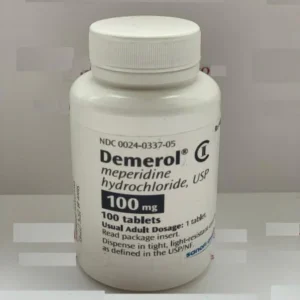
Demerol 100mg is a medication containing meperidine hydrochloride, an opioid analgesic also known as pethidine. It works by acting on the central nervous system to change how the body perceives and responds to pain. Healthcare professionals may use meperidine for severe pain in selected clinical situations, but it carries substantial risks and requires careful medical supervision.
Understanding Demerol 100mg involves learning about its medical uses, side effects, interactions, dependence potential, and overdose warning signs. This guide provides educational information to help readers discuss opioid safety with a qualified healthcare professional.
1. What Is Demerol 100mg?
Demerol is a brand name for meperidine hydrochloride. It belongs to the opioid class of pain-relieving medicines, which act on receptors in the nervous system to reduce the perception of pain.
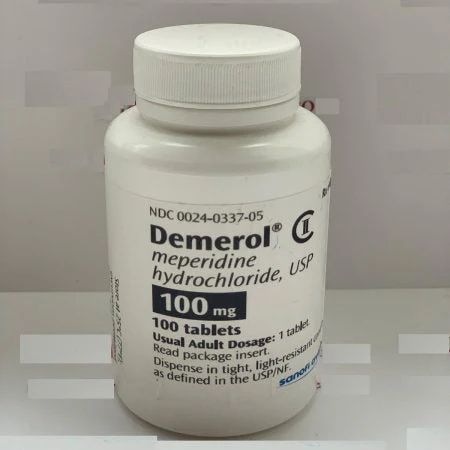
Demerol 100mg refers to a 100-milligram tablet formulation. Meperidine is also available in other dosage forms and strengths, depending on the product and country. Injectable formulations have different concentration labeling and must not be confused with tablets.
A product’s stated strength does not establish that it is authentic or suitable for a particular person. Demerol is a controlled prescription medicine in the United States because of its potential for misuse, dependence, and overdose.
2. What Is Demerol Used For?
Meperidine is an opioid analgesic used for severe pain in selected medical circumstances. Its role depends on the patient’s condition, the available alternatives, and local prescribing guidance.
Demerol is not generally considered a first-choice opioid for many types of ongoing pain. Meperidine has a metabolite called normeperidine, which can accumulate and cause nervous-system toxicity, including agitation, tremors, and seizures. This is one reason healthcare professionals restrict its use and consider alternative pain treatments when appropriate.
People experiencing severe or persistent pain should receive an assessment to determine the cause and the safest suitable treatment. Demerol 100mg should only be used when specifically prescribed to the individual and in accordance with professional instructions.
3. How Does Demerol Work?
Meperidine acts on opioid receptors in the brain and spinal cord, reducing the transmission and perception of pain signals. Its effects may also include sedation and reduced alertness.
The effects vary depending on the person’s health, other medications, opioid exposure, and the formulation used. A 100mg tablet should not be assumed to have the same effects or risks as an injectable product labeled 100mg/mL.
Because meperidine can slow the central nervous system, it may impair concentration, coordination, and reaction time. People taking it should not drive or operate machinery if they may be impaired.
4. What Are the Possible Side Effects?
Demerol 100mg may cause adverse effects ranging from mild discomfort to potentially life-threatening complications.
Possible side effects include:
- Nausea or vomiting.
- Constipation.
- Dizziness or lightheadedness.
- Drowsiness and impaired coordination.
- Sweating.
- Low blood pressure or fainting.
- Confusion or other changes in mental alertness.
More serious risks include respiratory depression, severe sedation, dependence, and seizures. The risk of respiratory depression can be particularly concerning when treatment begins, the dose is changed, or other sedating substances are involved.
Slow or shallow breathing, unusual difficulty waking, blue or gray lips, or collapse may indicate an opioid overdose. Contact local emergency services immediately. If naloxone is available, administer it according to its instructions while emergency help is on the way.
5. Can Demerol Cause Dependence or Addiction?
Yes. Meperidine carries a risk of opioid use disorder, physical dependence, and withdrawal. These risks can occur even when a medicine initially provides effective pain relief.
Physical dependence means the body has adapted to the medicine. If someone has been using opioids regularly, suddenly stopping may produce withdrawal symptoms, such as sweating, restlessness, muscle aches, abdominal cramps, diarrhea, nausea, and sleep disturbances.
Anyone using meperidine regularly should discuss changes or discontinuation with their prescriber. A healthcare professional can determine whether a gradual reduction is appropriate and provide support if dependence has developed.
Medication should never be shared with another person. Store it securely and dispose of unused medicine according to local pharmacy or public-health guidance.
6. Which Medicines and Substances Can Interact With Demerol?
Interactions can increase the likelihood of dangerous sedation, breathing problems, seizures, or other complications.
Important examples include:
- Alcohol: Can intensify sedation and respiratory depression.
- Benzodiazepines: Medicines such as alprazolam, clonazepam, or lorazepam can substantially increase overdose risk when combined with opioids.
- Other sedatives: Sleeping medicines and other central nervous system depressants may increase impairment and breathing risks.
- Monoamine oxidase inhibitors (MAOIs): Meperidine has potentially dangerous interactions with MAOIs and is contraindicated with their concurrent use or use within the preceding 14 days under U.S. prescribing information.
- Other prescription medicines: Certain drugs can change meperidine’s effects or increase the risk of adverse reactions.
Tell your doctor and pharmacist about all prescription medicines, nonprescription products, supplements, and substances you use. Do not start, stop, or combine medicines without checking whether the combination is safe.
7. Important Precautions and Safe Medical Use
Before prescribing meperidine, a healthcare professional should consider the patient’s medical history, current medicines, breathing problems, seizure history, and other relevant risk factors.
Demerol may be unsuitable for people with significant respiratory depression, certain severe breathing conditions, bowel obstruction, or specific medication interactions. Additional precautions may be necessary for people with liver or kidney problems, older adults, and pregnant patients.
In the United States, meperidine is a Schedule II controlled substance. Laws and product availability may differ elsewhere. Only use medication obtained through lawful, regulated channels and prescribed for the intended patient.
Never take more than prescribed, use someone else’s medicine, or combine an opioid with alcohol to intensify its effects. If pain remains uncontrolled, contact the prescribing clinician instead of increasing the amount independently.
Frequently Asked Questions
What is Demerol 100mg?
It is a 100-milligram tablet formulation of meperidine hydrochloride, an opioid pain medicine. Other formulations have different strengths and labeling.
Is Demerol used for severe pain?
Meperidine may be used for severe pain in selected clinical circumstances. Its risks mean that healthcare professionals often consider alternative treatments.
Can Demerol 100mg cause an overdose?
Yes. An overdose can cause severe sleepiness, slowed or stopped breathing, unconsciousness, and death. Emergency treatment is essential if an overdose is suspected.
Can Demerol be mixed with alcohol?
No. Alcohol can increase sedation and the risk of dangerous breathing problems.
Conclusion
Demerol 100mg contains meperidine, an opioid medicine used for severe pain in selected medical settings. Although it can provide pain relief, it also carries significant risks, including respiratory depression, dependence, seizures, and dangerous drug interactions.
Understanding these risks helps patients make informed decisions with their healthcare professionals. Use meperidine only as prescribed, keep it secure, and seek emergency assistance if overdose symptoms occur.
Medical disclaimer: This article is for educational purposes only and does not replace professional medical advice, diagnosis, or treatment.