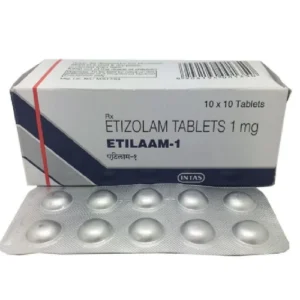
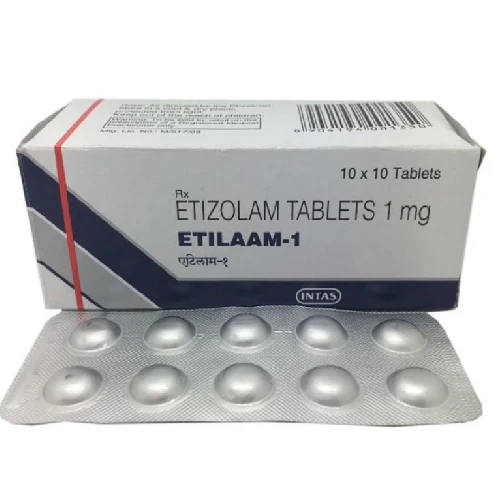
Etizolam 1mg is a strength description associated with etizolam, a thienodiazepine substance that acts on the central nervous system and has sedative and anxiolytic effects. Its medical approval and legal status vary by country. Etizolam may cause drowsiness, impaired coordination, physical dependence, and potentially serious withdrawal symptoms. Understanding its effects, interactions, and safety risks is essential when researching this substance.
Etizolam 1mg: 7 Essential Facts About Effects and Safety
What Is Etizolam 1mg?
Etizolam is a psychoactive substance related to benzodiazepines. It affects GABA-A receptors in the brain, which help regulate nervous system activity. The term “Etizolam 1mg” describes a claimed tablet strength but does not verify the product’s identity, purity, or contents.
Products obtained from unregulated sellers may be counterfeit or incorrectly labeled. A licensed pharmacist or healthcare professional can advise on medication identification and local regulations.
What Is Etizolam Used For?
In some countries, etizolam has been prescribed for selected anxiety-related conditions or other indications. However, approved uses and availability vary internationally, and etizolam is not an authorized medicine in every jurisdiction.
A healthcare professional can explain locally approved treatment options and help determine which approach is appropriate for an individual’s symptoms and medical history.
How Does Etizolam Work?
Etizolam enhances the effects of gamma-aminobutyric acid (GABA), a chemical messenger that reduces activity in the central nervous system. Its effects may include relaxation and sedation.
These effects can also reduce alertness, impair memory, and affect balance and coordination. Responses vary between individuals and may be unpredictable when the product’s ingredients or strength have not been verified.
Possible Side Effects
Potential side effects associated with etizolam include:
- Drowsiness and fatigue
- Dizziness or unsteadiness
- Reduced concentration
- Memory impairment
- Confusion
- Slower reaction times
Severe drowsiness, breathing difficulties, or an inability to wake someone are medical emergencies. Seek emergency assistance if these symptoms occur.
Dependence and Withdrawal
Repeated use may lead to tolerance and physical dependence. Abruptly stopping after regular use can cause withdrawal symptoms, including anxiety, insomnia, agitation, tremors, and, in severe cases, seizures.
People who have been using etizolam regularly should consult a healthcare professional before stopping. Medical guidance can help reduce the risks associated with withdrawal.
Drug Interactions and Important Precautions
Combining etizolam with alcohol, opioids, benzodiazepines, sleeping pills, or other sedating substances can increase the risk of profound sedation, respiratory depression, coma, and death.
Avoid driving or operating machinery if affected by a sedative. Tell a healthcare professional about all medications, supplements, and other substances being used.
If someone becomes unresponsive, has slow or shallow breathing, or cannot be awakened after taking a suspected sedative, contact emergency services immediately.
Medication Identification and Storage
Tablet color, shape, packaging, and online descriptions cannot reliably confirm that a product contains etizolam or the claimed amount. Products from unregulated sources may contain unexpected or dangerous substances.
Do not take unidentified tablets or share medication with others. Keep unknown substances away from children and seek advice from a licensed pharmacist or local health service about identification and safe disposal.
Frequently Asked Questions
Is etizolam a benzodiazepine?
Etizolam is classified as a thienodiazepine. It acts on similar GABA-A receptor systems and can produce effects resembling those of benzodiazepines.
Is Etizolam 1mg legal everywhere?
No. Its regulatory status and approved medical uses differ between countries. Consult a local healthcare professional or medicines regulator for current guidance.
Can etizolam cause dependence?
Yes. Repeated use can result in physical dependence, and sudden discontinuation may cause serious withdrawal symptoms, including seizures.
Is it safe to combine etizolam with alcohol?
No. Both substances can depress the central nervous system, and combining them can increase sedation and the risk of life-threatening breathing problems.
Conclusion
Etizolam 1mg refers to a claimed strength of a sedative substance with benzodiazepine-like effects. Important concerns include impaired coordination, memory problems, dangerous drug interactions, dependence, and withdrawal. Verify medication information through qualified healthcare professionals and use only medicines obtained through appropriate, regulated channels.