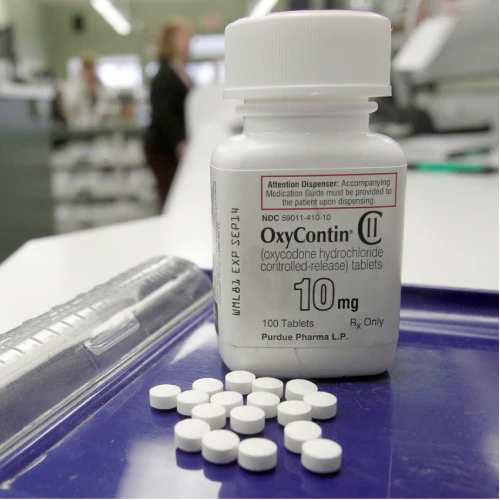
OxyContin 10mg: 7 Essential Facts About Uses and Safety
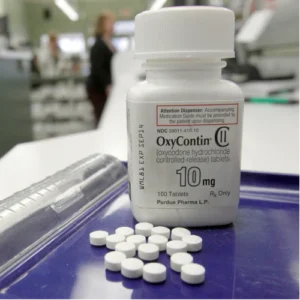
OxyContin 10mg is an extended-release prescription medication containing oxycodone, an opioid analgesic used to manage severe, persistent pain when alternative treatments are inadequate. It is designed to release medication gradually over time and must be used strictly according to a qualified healthcare professional’s instructions.
OxyContin 10mg is not intended for occasional or as-needed pain relief. Because oxycodone can cause dependence, respiratory depression, and overdose, appropriate prescribing, monitoring, and patient education are essential.
1. What Is OxyContin 10mg?
OxyContin 10mg is an oral extended-release formulation of oxycodone. Oxycodone acts on opioid receptors in the central nervous system to change how the body perceives and responds to pain.
The extended-release formulation is designed for prolonged pain management rather than rapid relief. It should only be used by the person for whom it was prescribed.
2. What Is OxyContin 10mg Used For?
OxyContin may be prescribed for severe and persistent pain that requires continuous, around-the-clock opioid treatment when other options are insufficient.
A healthcare professional evaluates the cause and severity of pain, previous treatments, medical history, and potential risks before prescribing this medication. It is not suitable for every type of pain or every patient.
3. How Does OxyContin Work?
Oxycodone binds to opioid receptors in the brain and spinal cord, reducing the transmission and perception of pain signals. Its extended-release design allows the medication to be released over an extended period.
The same effects that reduce pain can also slow breathing and cause sedation. These risks make careful medical supervision essential.
4. Important Administration and Safety Information
Take OxyContin only as prescribed and follow the official product instructions. Extended-release tablets must be swallowed whole; crushing, chewing, dissolving, or breaking them can release oxycodone too quickly and potentially cause a fatal overdose.
Do not increase the dose, share the medication, or combine it with alcohol without medical guidance. Never use someone else’s prescription.
5. Possible Side Effects
Common side effects may include:
- Constipation.
- Nausea or vomiting.
- Drowsiness and dizziness.
- Headache.
- Itching.
Serious risks include dangerously slow breathing, severe sedation, low blood pressure, physical dependence, and overdose.
Seek emergency medical assistance if a person is difficult to wake, has slow or shallow breathing, or develops blue or grey lips. If naloxone is available, administer it according to its instructions while emergency help is on the way.
6. Drug Interactions and Precautions
Alcohol, benzodiazepines, sleeping medicines, and other central nervous system depressants can dangerously increase the sedative and respiratory effects of oxycodone.
Inform your healthcare professional about all medicines, supplements, and relevant medical conditions, especially breathing disorders, liver or kidney problems, and a history of substance-use problems.
OxyContin can cause physical dependence. Do not abruptly discontinue regular treatment without medical advice, as withdrawal symptoms may occur.
7. Storage and Responsible Use
Keep OxyContin in its original packaging, stored securely and out of the reach of children and other people. Never share opioid medication.
Dispose of unused medication through an authorized pharmacy or an approved medication take-back program where available. Follow local disposal guidance and keep track of the medication to prevent accidental exposure or misuse.
Frequently Asked Questions
What is OxyContin 10mg?
It is an extended-release prescription opioid containing oxycodone, used for selected cases of severe, persistent pain.
Is OxyContin 10mg immediate-release?
No. OxyContin is an extended-release formulation and is different from immediate-release oxycodone products.
Can OxyContin 10mg cause dependence?
Yes. Physical dependence can develop, even when the medication is taken as prescribed.
Can OxyContin be combined with alcohol?
No. Alcohol can increase the risk of severe sedation, respiratory depression, and fatal overdose.
Conclusion
OxyContin 10mg is a prescription medication intended for carefully selected patients who need ongoing treatment for severe, persistent pain. Understanding its extended-release formulation, potential side effects, drug interactions, and overdose risks is essential for safer use. Always follow professional medical advice and the official prescribing information.