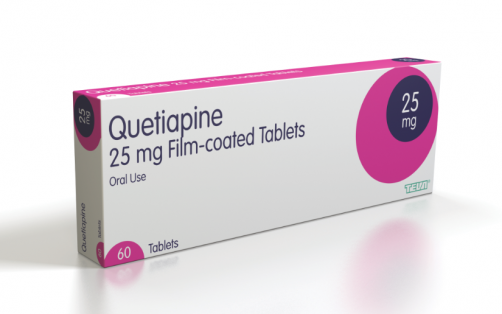
Quetiapine: 7 Essential Facts About Uses and Safety
Quetiapine is a prescription antipsychotic medicine used to treat certain mental health conditions, including schizophrenia and bipolar disorder. In some circumstances, it may also be prescribed alongside other medicines for severe depression. It works by affecting chemical signaling in the brain and requires medical supervision because it can cause drowsiness, weight gain, metabolic changes, and other adverse effects.
1. What Is Quetiapine?
This is an atypical, or second-generation, antipsychotic medicine. It is available under brand names such as Seroquel, as well as in generic formulations.
It comes in different strengths and formulations, including immediate-release and extended-release tablets. These formulations may have different instructions, so patients should follow the directions on their specific prescription.
This is a prescription medicine. It should not be started, shared, or adjusted without advice from a qualified healthcare professional.
2. What Is Quetiapine Used For?
This is approved for several psychiatric conditions, depending on the product and country.
Common approved uses include:
- Schizophrenia: To help manage symptoms such as hallucinations, delusions, and disorganized thinking.
- Bipolar disorder: To treat certain depressive or manic episodes and, for some formulations and treatment plans, help manage the condition over time.
- Severe depression: In some jurisdictions, it may be used alongside an antidepressant for certain cases of major depressive disorder.
The appropriate treatment depends on a person’s diagnosis, symptoms, medical history, and other medicines. This is not generally recommended as a routine sleeping pill, and its sedative effect does not make it appropriate for self-treatment of insomnia.
3. How Does Quetiapine Work?
It affects several chemical messenger systems in the brain, particularly dopamine and serotonin receptors. These actions can help reduce certain psychiatric symptoms and stabilize mood.
Its effects and the time needed to notice improvement vary by condition and individual. Some people experience sleepiness early in treatment, while improvements in mood, thinking, or other psychiatric symptoms may take longer.
Feeling sleepy does not necessarily mean the underlying condition is improving. Regular follow-up appointments help the prescriber assess effectiveness and monitor side effects.
4. What Are the Possible Side Effects?
Like other prescription medicines, quetiapine can cause side effects. Commonly reported effects include:
- Drowsiness or fatigue
- Dizziness, particularly when standing up
- Dry mouth
- Constipation
- Increased appetite and weight gain
- Rapid heartbeat
- Changes in blood sugar and blood lipid levels
Some people may experience movement-related symptoms, such as tremors, stiffness, or restlessness.
Serious effects are less common but can occur. Seek urgent medical attention for severe allergic reactions, fainting with concerning symptoms, or signs of a serious reaction such as high fever, severe muscle stiffness, and confusion. Yellowing of the skin or eyes also warrants prompt medical assessment.
This can affect blood pressure, blood glucose, cholesterol, and weight. A clinician may recommend monitoring these measures during treatment.
5. Important Warnings and Precautions
Before prescribing quetiapine, a healthcare professional should review the patient’s medical history and other medicines.
Additional caution may be needed for people with diabetes, heart rhythm problems, low blood pressure, liver disease, seizure disorders, or a history of falls.
This carries an important warning regarding increased mortality in older adults with dementia-related psychosis and is not approved for that use in the United States.
People taking it should avoid driving or operating machinery if they feel drowsy or dizzy. Alcohol can increase its sedative effects, so avoiding alcohol is the safer choice.
Tell the prescriber about all medicines, vitamins, supplements, and herbal products being used. Certain antibiotics, antifungals, HIV medicines, and other drugs can alter quetiapine levels or increase the risk of side effects. Grapefruit juice should also be avoided according to standard patient guidance.
6. Taking Quetiapine and Stopping Treatment Safely
The correct dose depends on the condition being treated, the formulation, previous treatment, and the individual’s response. A prescriber commonly starts treatment at a selected dose and adjusts it according to clinical needs.
Patients should follow the prescription label rather than changing the dose themselves. Extended-release tablets must be handled according to their specific instructions and should not be crushed or chewed unless a healthcare professional confirms that the formulation permits it.
If a dose is missed, follow the medicine leaflet or ask a pharmacist. Do not take a double dose to compensate.
Do not stop it suddenly without medical advice. Abrupt discontinuation may cause symptoms such as insomnia, nausea, headache, dizziness, irritability, or vomiting. A clinician can advise whether gradual dose reduction is appropriate.
If too much quetiapine has been taken, seek urgent medical advice. An overdose may cause pronounced sleepiness, a fast heartbeat, low blood pressure, or other serious complications.
7. Frequently Asked Questions About Quetiapine
Is quetiapine a sleeping pill?
No. This is an antipsychotic medicine approved for specific psychiatric conditions. Although it can cause sleepiness, it should not be used for sleep problems without an appropriate clinical assessment.
How long does quetiapine take to work?
The time varies according to the condition and individual response. Sedation may occur early, while improvement in psychiatric symptoms may take longer. Follow the treatment plan and discuss concerns with the prescriber.
Can quetiapine cause weight gain?
Yes. Increased appetite and weight gain are recognized side effects. Healthcare professionals may recommend monitoring weight and metabolic health during treatment.
Can quetiapine be taken with alcohol?
Alcohol can worsen drowsiness and dizziness. Avoiding alcohol while taking quetiapine is the safer approach.
Is quetiapine suitable for everyone?
No. Medical history, age, pregnancy, breastfeeding, other medicines, and certain health conditions can affect whether it is appropriate. A healthcare professional should assess individual risks and benefits.
Conclusion
This is a prescription antipsychotic used to treat schizophrenia, bipolar disorder, and certain cases of severe depression, depending on the formulation and local approval. It can be an important part of treatment when appropriately prescribed, but it requires attention to side effects, drug interactions, metabolic health, and safe discontinuation.
Always use quetiapine under medical supervision and consult a qualified healthcare professional before starting, changing, or stopping treatment.
Medical disclaimer: This article is for general educational purposes only and does not replace professional medical advice, diagnosis, or treatment. Refer to the official product leaflet and local prescribing information for details specific to the medicine supplied in your country.