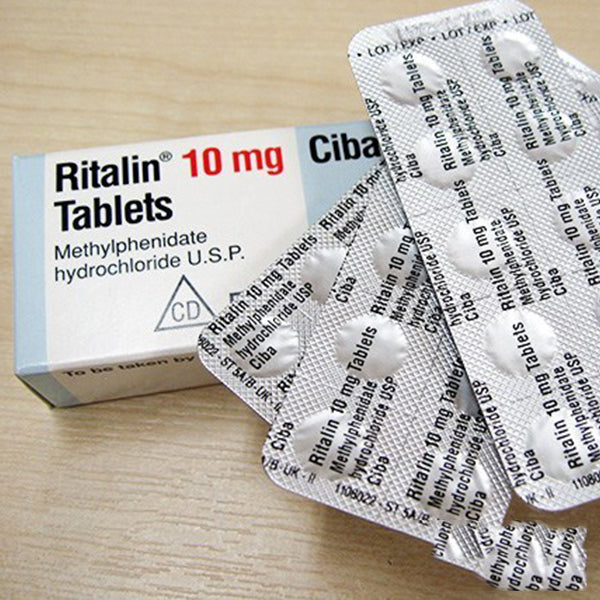
Ritalin 10mg: 7 Essential Facts About Uses, Benefits, and Safety
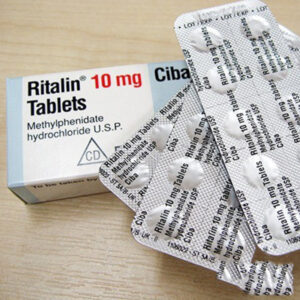
Ritalin 10mg is a prescription medication containing methylphenidate, a central nervous system stimulant used primarily to treat attention-deficit/hyperactivity disorder (ADHD). In certain cases, methylphenidate is also prescribed to treat narcolepsy, a condition that causes excessive daytime sleepiness. It can help improve attention, focus, and impulse control when used as part of an appropriate treatment plan.
1. What Is Ritalin 10mg?
Ritalin 10mg contains 10 milligrams of methylphenidate in a tablet formulation. It affects certain chemical signaling processes in the brain involved in attention and behavioral regulation.
The 10mg strength does not establish the appropriate dose for every patient. Treatment depends on age, medical history, symptoms, other medications, and the specific formulation prescribed.
2. What Is Ritalin Used For?
Ritalin is primarily prescribed for ADHD. Depending on the patient’s clinical circumstances and local prescribing guidelines, it may also be used for narcolepsy.
For people with ADHD, treatment may help with:
- Sustaining attention during tasks.
- Reducing distractibility.
- Improving impulse control.
- Supporting organization and task completion.
Medication is often combined with behavioral strategies, educational support, or other individualized interventions.
3. How Does Ritalin Work?
Methylphenidate influences the activity of dopamine and norepinephrine, chemical messengers involved in attention, alertness, and executive functioning.
By affecting their availability in the brain, methylphenidate may help improve attention and reduce certain ADHD symptoms. Responses differ between individuals, so treatment should be monitored by a qualified healthcare professional.
4. Dosage and Administration
Ritalin 10mg should be taken only as prescribed. Immediate-release tablets and extended-release methylphenidate products have different release characteristics and dosing schedules.
Patients should follow the instructions provided with their specific product and should not change their dose, share medication, or take extra tablets to improve concentration. A healthcare professional determines whether a particular strength and formulation are appropriate.
5. Possible Side Effects
Ritalin may cause side effects, including:
- Reduced appetite.
- Difficulty sleeping.
- Headache.
- Stomach discomfort or nausea.
- Nervousness or anxiety.
- Increased heart rate or blood pressure.
Seek medical attention for chest pain, fainting, severe mood changes, or other concerning symptoms. A clinician may monitor appetite, sleep, growth in children, blood pressure, heart rate, and mental health during treatment.
6. Precautions and Drug Interactions
Methylphenidate may not be appropriate for everyone. Inform your healthcare professional about heart conditions, high blood pressure, glaucoma, mental health concerns, substance-use history, and all other medicines being taken.
Methylphenidate has important interactions with monoamine oxidase inhibitors (MAOIs), which generally must not be used within the specified period before or after methylphenidate treatment. A pharmacist or prescriber should review possible interactions before treatment begins.
Ritalin also has potential for misuse and dependence. Store it securely and never give it to another person.
7. Storage and Responsible Use
Keep Ritalin in its original packaging and store it according to the manufacturer’s instructions. Protect it from excessive heat and moisture, and keep it out of the reach of children and unauthorized users.
Obtain the medication through a legitimate pharmacy with a valid prescription. Follow local requirements for the safe disposal of unused medication.
Frequently Asked Questions
What is Ritalin 10mg used for?
It is primarily used to treat ADHD and may also be prescribed for narcolepsy.
Does Ritalin help with concentration?
For people with ADHD, methylphenidate can improve attention and reduce distractibility when appropriately prescribed.
Can Ritalin cause side effects?
Yes. Appetite changes, insomnia, headaches, and increases in heart rate or blood pressure are possible.
Is Ritalin a controlled medication?
Methylphenidate is a controlled substance in many countries because of its potential for misuse and dependence. Requirements vary by jurisdiction.
Conclusion
Ritalin 10mg is a prescription methylphenidate medication used mainly for ADHD. Understanding its approved uses, formulation, possible side effects, and interactions supports safer treatment. Always follow professional medical advice and the official product information.