Synedica Retatrutide: 7 Essential Facts About Research, Safety, and Approval
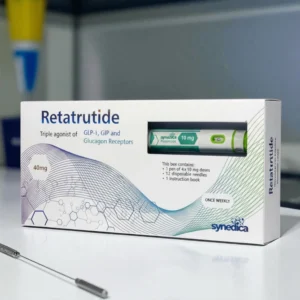
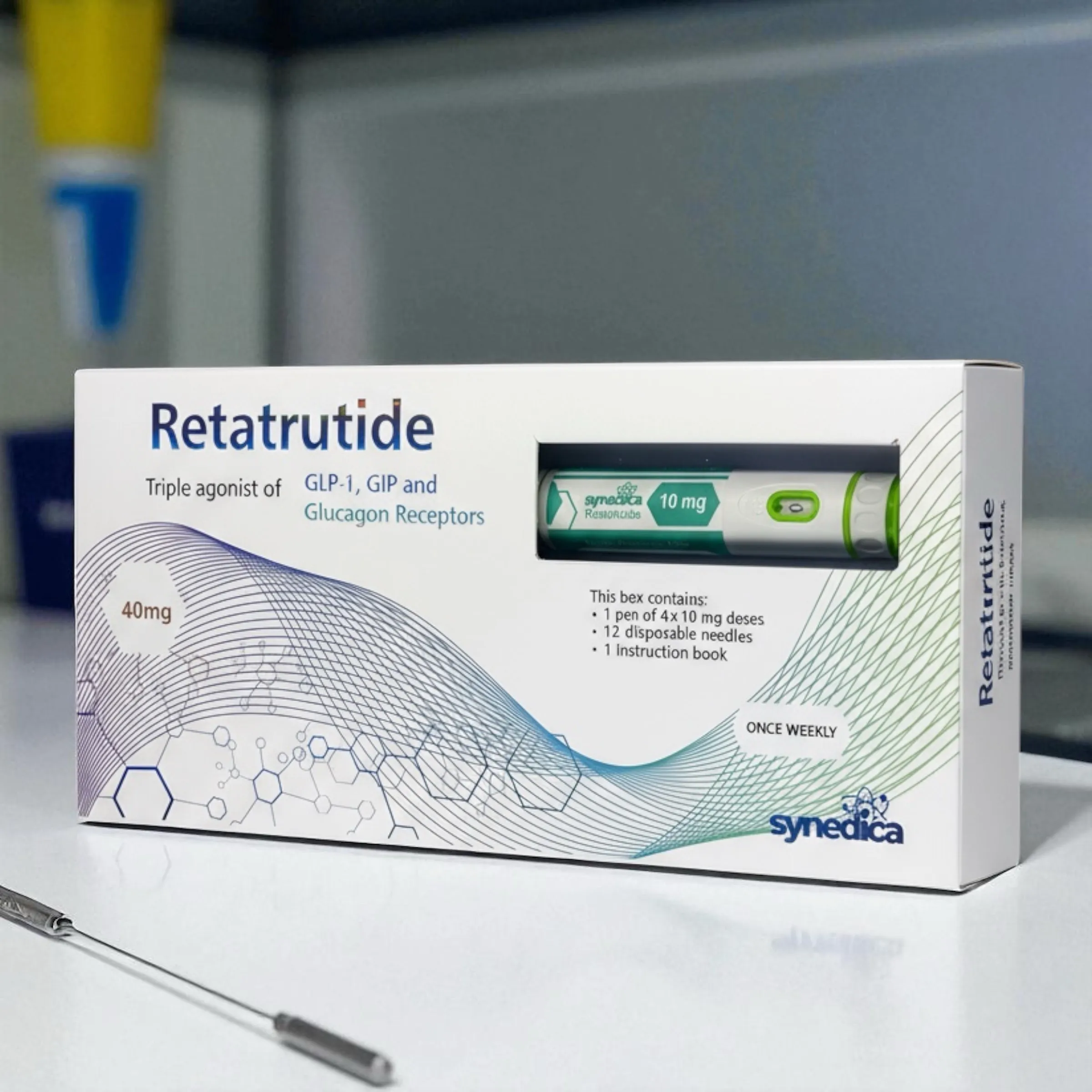
Synedica Retatrutide is a product name that may appear in searches for investigational peptides and weight-management research. Before relying on claims associated with this name, it is important to distinguish a supplier’s product listing from an approved medicine. Retatrutide is an investigational compound developed by Eli Lilly that is being studied for obesity, type 2 diabetes, and related conditions. It has not been approved for public use by a regulatory agency.
This guide explains what retatrutide is, what researchers are studying, the limitations of available evidence, and why unverified products deserve caution.
1. What Is Synedica Retatrutide?
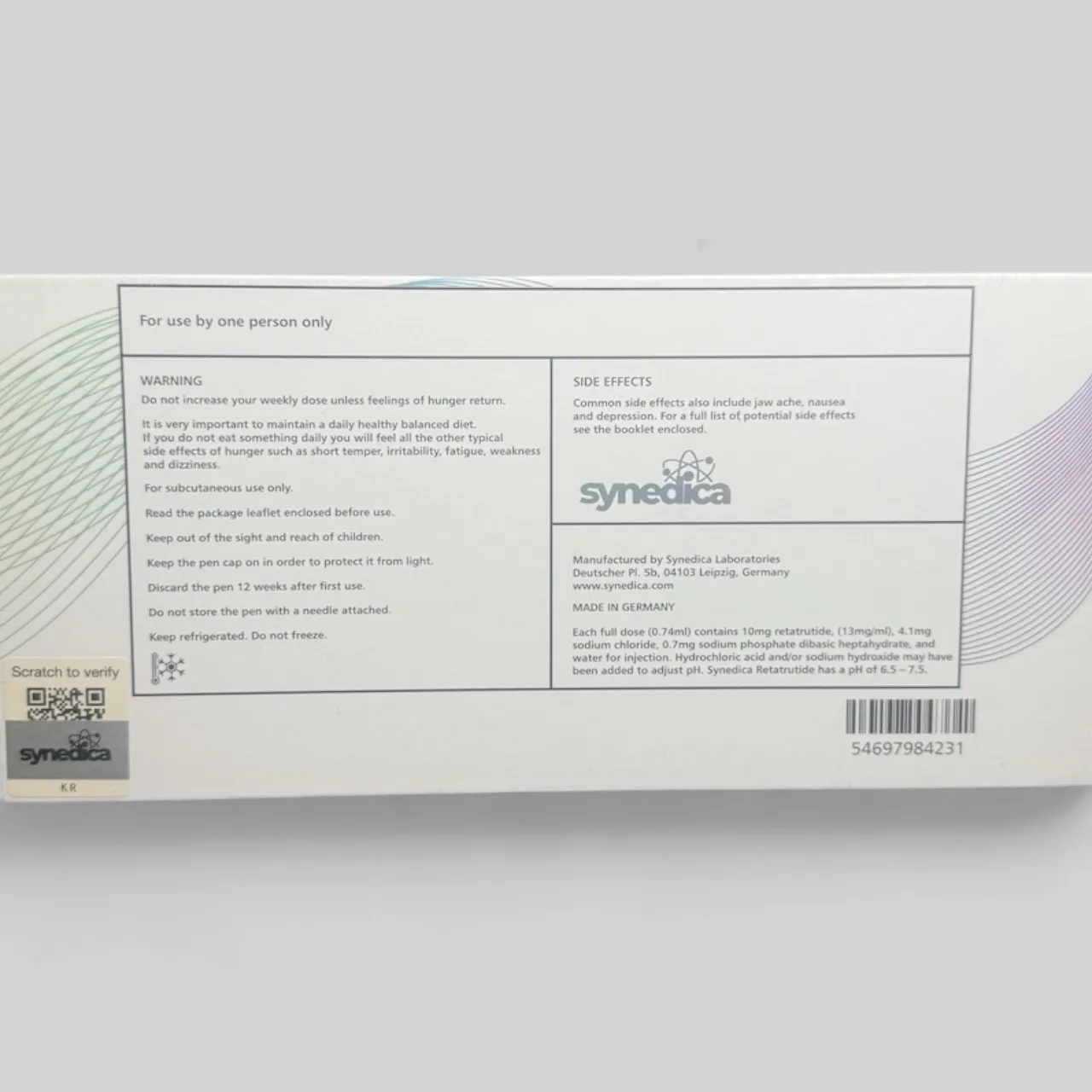
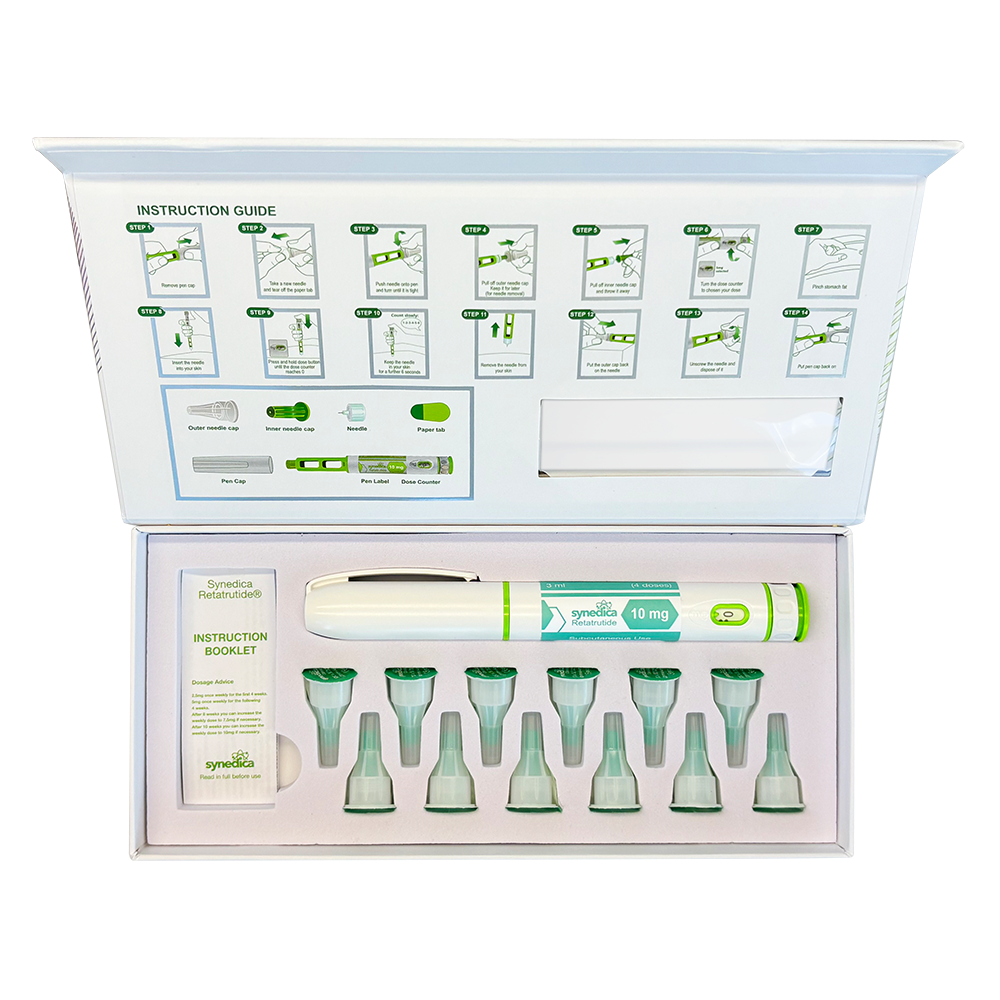
The phrase Synedica Retatrutide combines a product or supplier name with retatrutide, an investigational molecule also known as LY3437943. The available sources do not establish the composition, purity, manufacturing standards, or regulatory status of a specific product sold under the Synedica name.
Retatrutide should not be confused with approved medicines that contain semaglutide or tirzepatide. Although these medicines involve related hormone pathways, they are distinct compounds with different evidence, prescribing information, and regulatory status.
A product label or online description alone cannot verify that a vial contains the compound it claims to contain.
2. How Does Retatrutide Work?
Retatrutide is designed to activate three hormone receptors: glucose-dependent insulinotropic polypeptide (GIP), glucagon-like peptide-1 (GLP-1), and glucagon. Because it acts on all three pathways, researchers describe it as a triple agonist.
These pathways are involved in metabolic regulation, including glucose control, appetite-related signaling, and energy balance. Scientists are investigating whether targeting the three receptors together could offer benefits for people with obesity and associated metabolic conditions.
However, a plausible biological mechanism does not prove that an independently sold product is safe, effective, pure, or suitable for human use.
3. What Does Clinical Research Show?
Retatrutide has been evaluated in clinical trials, including Phase 3 studies examining weight-related outcomes and blood glucose control. In July 2026, Eli Lilly reported positive preliminary results from two additional Phase 3 studies involving adults with obesity or overweight and type 2 diabetes, or severe obesity and cardiovascular disease.
These findings are relevant to the development of a potential future treatment, but trial results must be interpreted in context. Outcomes from a controlled study cannot automatically be applied to products purchased from unverified sources. Trial participants receive study oversight and defined investigational products, whereas the identity and quality of an online product may be unknown.
Research findings also do not replace regulatory review, final prescribing information, or an individualized medical assessment.
4. Is Retatrutide Approved?
As of October 2026, retatrutide is investigational and is not approved for general public use. Eli Lilly states that access is limited to participants in its clinical trials. The company has also announced plans to pursue regulatory submission following its clinical development program.
This distinction matters when evaluating a listing described as a medication, treatment, or weight-management product. A product marketed under a brand name is not automatically an authorized medicine.
Regulatory rules vary by country. Before relying on a product’s claims, consult the relevant national medicines regulator and a qualified healthcare professional.
5. What Are the Potential Safety Concerns?
The safety profile of retatrutide is still being evaluated. Clinical studies have reported gastrointestinal adverse effects, including nausea, diarrhea, vomiting, and constipation. The full long-term risk profile and final product instructions have not been established through approval.
Unverified products introduce additional concerns, such as:
- Incorrect or undisclosed ingredients.
- Contamination or impurities.
- Uncertain concentration and product consistency.
- Inadequate sterility for products represented as injectable.
- Missing instructions, storage information, and reliable safety documentation.
The US FDA has issued warning letters concerning the marketing of unapproved retatrutide products and related research peptides.
For these reasons, a “research use only” label should not be interpreted as permission to use a product as a human treatment.
6. How Should You Evaluate Synedica Product Claims?
When researching Synedica Retatrutide, look for reliable evidence rather than relying solely on promotional descriptions, customer testimonials, or claims about expected results.
Useful questions include:
- Is there an official manufacturer page identifying the exact product?
- Is its regulatory status independently verifiable?
- Are claims supported by credible clinical evidence?
- Does the seller clearly distinguish laboratory research materials from approved medicines?
- Is there independent evidence supporting the stated identity and quality?
A certificate of analysis, if provided, should be evaluated carefully. A document supplied by a seller does not, by itself, prove regulatory approval, clinical effectiveness, or suitability for injection.
If the purpose is medical weight management, discuss authorized treatment options with a licensed healthcare professional instead of experimenting with an investigational compound.
7. What Are the Next Steps for Retatrutide Research?
Retatrutide’s future depends on the results of ongoing clinical development and regulatory assessment. Researchers continue to investigate its potential role in obesity, type 2 diabetes, and other metabolic or weight-related conditions.
Until regulators authorize a medicine containing retatrutide, investigational findings should not be presented as proof that a commercial product is an established treatment. Product-specific claims about Synedica cannot be verified without reliable documentation identifying the manufacturer, formulation, and regulatory standing.
For readers, the most useful approach is to follow credible clinical-trial records, official regulatory announcements, and qualified medical guidance.
Frequently Asked Questions
What is Synedica Retatrutide?
It is a search term combining the name Synedica with retatrutide. The available evidence does not verify the identity or quality of a specific product sold under that name.
Is retatrutide approved for weight loss?
No. As of October 2026, retatrutide remains investigational and is not approved for public use.
Is a research peptide safe to inject?
A research-use label does not establish safety for human use. Unverified products may have uncertain ingredients, concentration, purity, or sterility.
Can clinical-trial results verify an online product?
No. Results from trials of a controlled investigational product do not establish that a separately marketed product contains the same substance or meets the same quality standards.
Where can readers find reliable information?
Consult official clinical-trial records, the relevant national medicines regulator, and a qualified healthcare professional.
Conclusion
Synedica Retatrutide should be researched with care because the identity and regulatory status of the specific product have not been verified. Retatrutide is a promising area of scientific investigation, but it remains an investigational compound rather than an approved public treatment. Accurate product information should clearly communicate this distinction and avoid unsupported claims about safety, effectiveness, or medical use.
Educational disclaimer: This article is for informational purposes only and does not constitute medical advice or a recommendation to purchase or use an investigational compound.