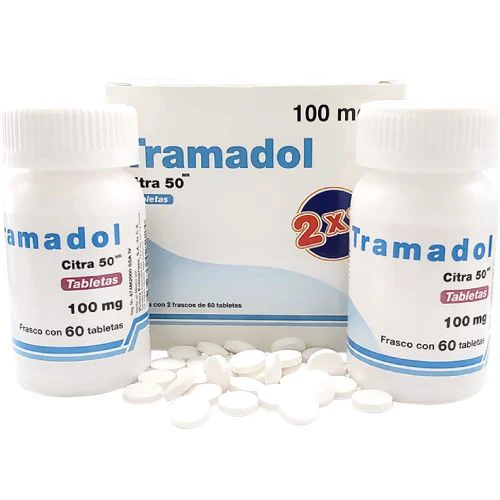
Tramadol 100mg is a medication containing tramadol, an opioid analgesic prescribed for certain types of moderate to moderately severe pain. It acts on the central nervous system to change how the body perceives and responds to pain. Because tramadol can cause serious side effects, dependence, and potentially life-threatening breathing problems, it should only be used under appropriate medical supervision.
What Is Tramadol 100mg?
Tramadol is a prescription pain-relieving medicine that affects opioid receptors and influences the activity of neurotransmitters involved in pain signalling. The 100mg strength describes the amount of tramadol in a particular dose, but the formulation matters: immediate-release and extended-release products are not interchangeable.
Tramadol is available in different formulations and is regulated differently across countries. Its suitability depends on the patient’s health, the type of pain being treated, other medications, and a clinician’s assessment.
What Is Tramadol 100mg Used For?
Healthcare professionals may prescribe tramadol for pain when they determine that an opioid medicine is appropriate. The specific indication depends on the formulation and local prescribing guidance.
Potential medical uses include:
- Acute pain: Selected cases of short-term pain when other treatments are insufficient or unsuitable.
- Postoperative pain: Pain following certain surgical procedures, when prescribed by a healthcare professional.
- Other significant pain conditions: Selected cases in which a clinician determines that tramadol’s potential benefits outweigh its risks.
Tramadol is not the right choice for every type of pain. Non-opioid medicines and other treatment approaches may be safer or more appropriate for some people.
How Does Tramadol Work?
Tramadol works through more than one mechanism. It activates opioid receptors and affects the reuptake of serotonin and norepinephrine, chemicals involved in the body’s pain-regulation pathways.
The combined effects can reduce pain, but they can also cause unwanted effects such as nausea, dizziness, sleepiness, and constipation. Individual responses vary, and the medicine can impair alertness even when taken as prescribed.
Possible Side Effects of Tramadol 100mg
Side effects may vary according to the formulation, dose, other medications, and individual sensitivity.
Commonly reported side effects include:
- Nausea or vomiting
- Dizziness or light-headedness
- Sleepiness or fatigue
- Constipation
- Headache
- Sweating or dry mouth
Seek emergency medical attention for slow or difficult breathing, extreme sleepiness, inability to wake, or loss of consciousness. Seizures and serotonin syndrome are also serious potential complications.
Serotonin syndrome may involve agitation, fever, sweating, rapid heartbeat, muscle rigidity, tremor, or confusion. It can occur when tramadol interacts with certain medicines that affect serotonin.
Important Safety Warnings
Tramadol can cause opioid-related respiratory depression, which means breathing becomes dangerously slow or shallow. The risk is greater when it is combined with alcohol, benzodiazepines such as diazepam, sleeping pills, other opioids, or other central nervous system depressants.
Tramadol can also cause physical dependence, misuse, and addiction. Taking more than prescribed or using someone else’s medication increases the risk of serious harm.
People with a history of seizures, breathing disorders, certain metabolic conditions, or substance-use problems should discuss these risks with a healthcare professional before treatment. Extra caution may be needed in older adults and people with kidney or liver impairment.
Drug Interactions
Tell the prescriber and pharmacist about all medicines, supplements, and substances you use. Important interactions may involve:
- Benzodiazepines and sedatives: Can increase sedation and breathing-related risks.
- Alcohol: Can intensify impairment and respiratory depression.
- Antidepressants: Some medicines that affect serotonin can increase the risk of serotonin syndrome or seizures.
- Other opioids: May increase the risk of overdose and breathing difficulties.
- Certain medicines affecting drug metabolism: May change tramadol’s effects or increase adverse reactions.
Do not start, stop, or combine medicines without checking with a qualified healthcare professional.
Dosage and Responsible Use
The appropriate tramadol regimen depends on the formulation, medical condition, age, other health conditions, and other medications. A 100mg product should not automatically be treated as suitable for every patient.
Follow the prescription and product instructions exactly. Do not take extra doses, crush or split extended-release tablets unless the product instructions explicitly permit it, or combine tramadol with alcohol or unapproved sedatives. If pain remains uncontrolled, contact the prescriber rather than increasing the dose independently.
If tramadol has been used regularly, stopping suddenly may cause withdrawal symptoms. A healthcare professional can advise whether a gradual reduction is needed.
Storage and Medication Authenticity
Keep tramadol in its original packaging and store it securely according to the product instructions, away from children and anyone for whom it was not prescribed. Keep track of the medication and dispose of unused tablets through an approved pharmacy or local medication-disposal service where available.
A tablet’s appearance or claimed strength does not prove its identity or authenticity. Obtain tramadol from a licensed pharmacy and ask a pharmacist to check any product with questionable packaging or labelling.
Frequently Asked Questions
Is Tramadol 100mg a prescription medication?
In many countries, tramadol is prescription-only and subject to controlled-medicine rules. Regulations vary by jurisdiction, so consult a licensed local pharmacist or healthcare professional.
Can tramadol cause addiction or dependence?
Yes. Tramadol can cause physical dependence and may lead to addiction. The risk can increase with prolonged use, higher-than-prescribed doses, or a history of substance-use problems.
Can tramadol be taken with diazepam?
Combining tramadol with diazepam can cause profound sedation, respiratory depression, coma, or death. The combination should only be considered when a qualified clinician determines it is necessary and can manage the risks.
What should someone do if an extra dose is taken?
Contact local emergency services or a poison-information service immediately for advice, especially if the amount is uncertain or the person has symptoms. Do not wait for symptoms to appear if an overdose is suspected.
Conclusion
Tramadol 100mg is an opioid pain medicine that may be prescribed for selected pain conditions. It can provide pain relief when appropriately used, but it carries important risks, including breathing problems, seizures, interactions, dependence, and overdose. Follow professional medical advice, use only the prescribed formulation, and seek urgent help if serious symptoms or a suspected overdose occur.