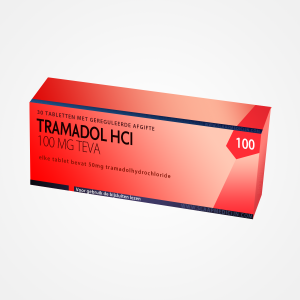
Tramadol: 7 Essential Facts About Uses and Safety
Tramadol is a prescription opioid pain medicine used to treat moderate to severe pain when a healthcare professional determines that opioid treatment is appropriate. It works by affecting pain signals in the central nervous system and also influences serotonin and noradrenaline activity. Although tramadol can help relieve pain, it carries important risks, including dependence, addiction, seizures, serotonin syndrome, and potentially life-threatening breathing problems.
1. What Is Tramadol?
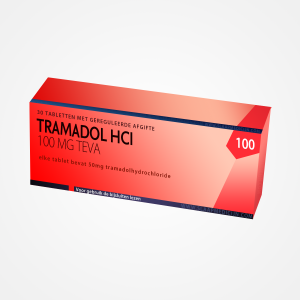
This is an opioid analgesic available in different formulations, including immediate-release tablets and capsules, extended-release products, oral liquids, and injections in certain medical settings.
Immediate-release products release the medicine relatively quickly, while extended-release formulations are designed to release it over a longer period. These products are not interchangeable without professional guidance.
Tramadol is prescription-only in many countries and may be subject to controlled-medicine regulations. It should only be used by the person for whom it was prescribed and according to the instructions supplied with the medicine.
2. What Is Tramadol Used For?
This is prescribed to help manage moderate to severe pain when other treatment options are inadequate or when a clinician determines that an opioid is appropriate.
Depending on the clinical circumstances, it may be considered for:
- Postoperative pain: Pain following certain surgical procedures.
- Injury-related pain: Pain associated with some injuries when an opioid is clinically justified.
- Other severe pain conditions: Selected short-term or longer-term pain conditions assessed by a healthcare professional.
The most appropriate treatment depends on the cause of the pain, its severity, the patient’s medical history, and previous treatments. Tramadol is not suitable for every type of pain and should not be used to treat anxiety, insomnia, or emotional distress.
3. How Does Tramadol Work?
It acts on opioid receptors in the central nervous system, helping reduce the perception of pain. It also inhibits the reuptake of serotonin and noradrenaline, two chemical messengers involved in pain regulation.
These combined actions contribute to its pain-relieving effects. However, they also create additional safety considerations, particularly when it is taken with certain antidepressants or other medicines that affect serotonin.
The response to treatment varies among individuals. Some people experience nausea, dizziness, or drowsiness, while others may experience more serious adverse effects. Treatment should be reviewed regularly to ensure that the benefits continue to outweigh the risks.
4. What Are the Possible Side Effects?
It can cause side effects, even when taken as prescribed. Commonly reported effects include:
- Nausea or vomiting
- Dizziness
- Drowsiness or fatigue
- Headache
- Constipation
- Dry mouth
- Sweating
Some people may experience confusion, low blood pressure, or difficulty urinating.
Serious warning signs require urgent attention. These include slow or shallow breathing, extreme sleepiness, difficulty waking, seizures, and symptoms of a severe allergic reaction.
Tramadol can also cause serotonin syndrome, a potentially life-threatening reaction associated with excessive serotonin activity. Warning signs can include agitation, fever, heavy sweating, tremor, muscle rigidity, and a rapid heartbeat, particularly when interacting medicines are involved.
If an overdose is suspected, contact emergency services immediately.
5. Important Drug Interactions and Precautions
This can interact with medicines and substances that affect the brain, breathing, or serotonin activity.
Alcohol and sedatives: Alcohol, benzodiazepines, sleeping tablets, and other sedating medicines can increase drowsiness and the risk of dangerous respiratory depression.
Antidepressants and serotonergic medicines: Certain antidepressants and other medicines that influence serotonin may increase the risk of serotonin syndrome. Some combinations may also increase seizure risk.
Monoamine oxidase inhibitors (MAOIs): Tramadol must not be combined with MAOIs or used within the prohibited period after stopping them specified in the product information.
Additional caution may be necessary for people with epilepsy or a history of seizures, breathing disorders, head injuries, or liver or kidney problems. Pregnancy and breastfeeding require professional assessment.
Tell the prescriber and pharmacist about all medicines, supplements, and other substances being used. Do not combine tramadol with other opioids or sedatives unless a qualified clinician has specifically assessed and authorized the combination.
6. Dependence, Withdrawal, and Safe Use
This can cause tolerance, physical dependence, and addiction. Tolerance means that the same amount may become less effective over time. Physical dependence means that stopping suddenly can cause withdrawal symptoms; addiction involves compulsive use despite harm.
Possible withdrawal symptoms include:
- Anxiety or agitation
- Sweating and shaking
- Sleep disturbances
- Muscle aches
- Restlessness
- Nausea or diarrhea
After regular use, do not stop it suddenly without medical advice. A prescriber can develop a gradual dose-reduction plan when discontinuation is appropriate.
Use only the prescribed amount. Never share tramadol, take extra doses because pain persists, or crush extended-release products. Keep the medicine secured away from children and other people, and dispose of unused medication through an appropriate local service.
7. Frequently Asked Questions About Tramadol
Is tramadol an opioid?
Yes. This is an opioid analgesic, although its pharmacological actions also include effects on serotonin and noradrenaline.
How quickly does tramadol work?
Immediate-release tramadol commonly begins providing pain relief within approximately 30 to 60 minutes, although individual responses vary. Extended-release products have different release characteristics. Follow the instructions for the specific formulation prescribed.
Can tramadol cause addiction?
Yes. Tramadol can cause opioid dependence and addiction. The risk depends on factors including treatment duration, individual history, and how the medicine is used.
Can tramadol be taken with alcohol?
Avoid alcohol while taking tramadol because the combination can increase drowsiness and the risk of serious side effects, including breathing problems.
Can tramadol be stopped suddenly?
Stopping suddenly after regular use may cause withdrawal symptoms. Speak with the prescriber before discontinuing treatment so that a suitable reduction plan can be considered.
Is tramadol suitable for everyone?
No. Certain medical conditions, seizure history, breathing problems, pregnancy, breastfeeding, and interacting medicines can affect whether tramadol is appropriate. A healthcare professional should assess the individual risks and benefits.
Conclusion
This is a prescription opioid used to manage moderate to severe pain when clinically appropriate. Its pain-relieving action can be useful, but treatment requires careful attention to side effects, drug interactions, seizures, serotonin syndrome, respiratory depression, and dependence.
Use tramadol only as prescribed, avoid alcohol, disclose all other medicines to your healthcare professional, and seek urgent help if overdose or serious adverse effects are suspected.
Medical disclaimer: This article is for educational purposes only and does not replace professional medical advice, diagnosis, or treatment. Approved uses, formulations, and prescribing requirements vary by country. Consult the official patient leaflet and a qualified healthcare professional for guidance specific to your circumstances.