Zepbound: 7 Essential Facts About Uses and Safety
Zepbound is a prescription medication containing tirzepatide, an injectable medicine used alongside a reduced-calorie diet and increased physical activity to support long-term weight management in eligible adults. In the United States, Zepbound is also approved to treat moderate-to-severe obstructive sleep apnea in adults with obesity. It acts on two hormone receptors involved in appetite regulation and blood-sugar control.
Understanding Zepbound means learning about its approved uses, how it works, possible side effects, important warnings, and the need for medical supervision. This guide provides seven essential facts about Zepbound and its safe, appropriate use.
1. What Is Zepbound?
This is the brand name for tirzepatide, a medication that activates glucose-dependent insulinotropic polypeptide (GIP) and glucagon-like peptide-1 (GLP-1) receptors. These pathways influence appetite, food intake, and metabolic processes.
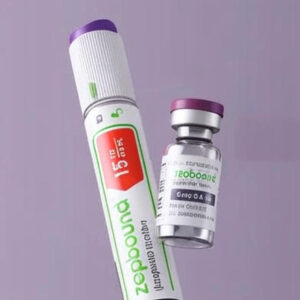
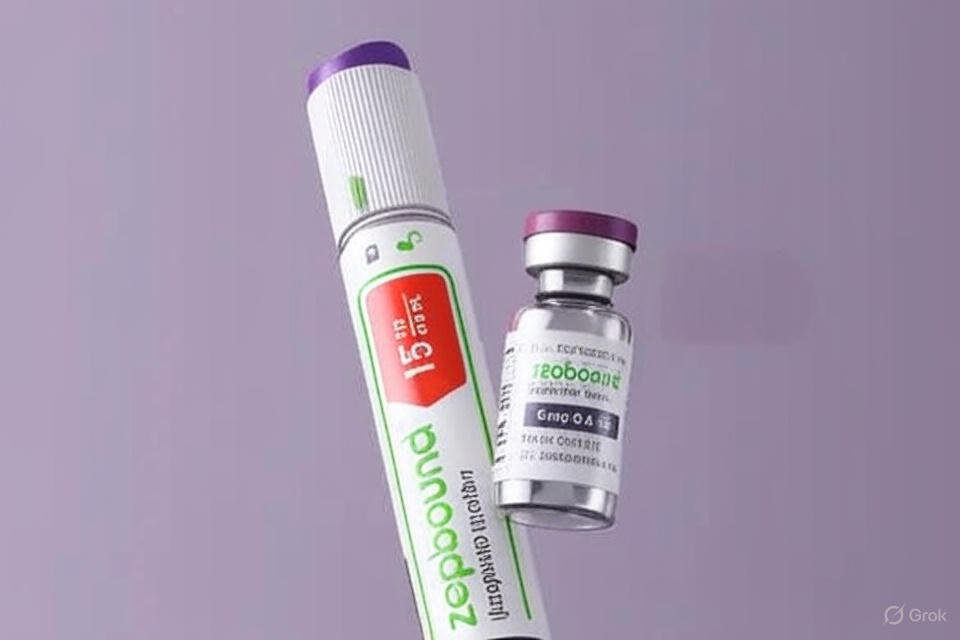
This is supplied as a subcutaneous injection in several strengths. In the United States, available presentations include single-dose injections and multi-dose KwikPen formulations, depending on the product.
This is a prescription medicine, not a general-purpose supplement or an instant weight-loss solution. Eligibility depends on medical criteria, and a healthcare professional should assess whether its potential benefits outweigh the risks for an individual patient.
2. What Is Zepbound Used For?
It has two main approved uses in the United States.
Chronic weight management: It is used with a reduced-calorie diet and increased physical activity to reduce excess body weight and help maintain weight reduction over the long term in adults with obesity, or adults who are overweight and have at least one weight-related health condition.
Obstructive sleep apnea: It is also approved for adults with obesity who have moderate-to-severe obstructive sleep apnea. This condition causes repeated interruptions in breathing during sleep and may contribute to daytime fatigue and other health complications.
Eligibility, approval, and prescribing criteria can vary by country. It should not be used solely for cosmetic weight loss without a medical assessment.
3. How Does Zepbound Work?
Tirzepatide activates GIP and GLP-1 receptors, which participate in regulating appetite, food intake, and glucose metabolism. Treatment can help people feel full sooner, experience reduced hunger, and consume less food.
It also affects blood-glucose regulation and slows gastric emptying, particularly early in treatment. These combined effects can contribute to weight reduction when the medication is used alongside appropriate dietary and activity changes.
Results vary from person to person. Weight changes depend on factors such as treatment response, nutrition, physical activity, health conditions, and continued medical care. Zepbound is not a substitute for a balanced eating pattern or ongoing management of weight-related conditions.
4. What Are the Possible Side Effects?
It commonly causes digestive side effects, particularly when treatment begins or the prescribed dose increases.
Reported side effects include:
- Nausea.
- Diarrhea.
- Vomiting.
- Constipation.
- Abdominal discomfort or pain.
- Indigestion and acid reflux.
- Fatigue.
- Injection-site reactions.
- Hair loss in some patients.
Some side effects improve as the body adjusts, but severe or persistent symptoms require medical advice. Repeated vomiting or diarrhea can lead to dehydration and kidney problems.
Serious risks include acute pancreatitis, gallbladder disease, severe gastrointestinal reactions, and allergic reactions. Seek urgent medical care for severe persistent abdominal pain, especially if it spreads to the back, or for signs of a serious allergic reaction.
5. What Is the Thyroid Tumor Warning?
This carries a boxed warning concerning thyroid C-cell tumors. In animal studies, tirzepatide caused these tumors, including medullary thyroid carcinoma. It is not known whether the medication causes the same tumors in humans.
Under U.S. prescribing information, it must not be used by people with a personal or family history of medullary thyroid carcinoma (MTC), or by people with multiple endocrine neoplasia syndrome type 2 (MEN 2).
Contact a healthcare professional if a neck lump, persistent hoarseness, difficulty swallowing, or unexplained breathing difficulty develops. Discuss your personal and family medical history before starting treatment.
6. Which Interactions and Precautions Matter?
It delays gastric emptying, which can affect how quickly certain oral medicines are absorbed. Patients should tell their healthcare professional about all prescription medicines, nonprescription products, and supplements they use.
Important precautions include:
- Insulin and certain diabetes medicines: Combining them with tirzepatide can increase the risk of low blood sugar.
- Oral contraceptives: Zepbound may reduce the effectiveness of oral hormonal contraceptives during treatment initiation and dose escalation. U.S. labeling advises using a non-oral method or adding a barrier method for four weeks after starting treatment and four weeks after each dose increase.
- Pregnancy: Weight-management treatment should be discontinued when pregnancy is recognized, according to U.S. prescribing information.
- Surgery or deep sedation: Tell the medical team about Zepbound before a planned procedure because delayed stomach emptying can increase the risk of aspiration.
- Other incretin medicines: Combining Zepbound with other tirzepatide-containing products or GLP-1 receptor agonists is not recommended under U.S. labeling.
7. How Is Zepbound Used Safely?
This is administered as a subcutaneous injection, usually once weekly. Under U.S. prescribing information, the recommended starting dose is 2.5mg once weekly for four weeks. A healthcare professional may then increase the dose gradually according to the official schedule, treatment response, and tolerability.
The starting dose is for treatment initiation rather than long-term maintenance. Patients should not increase their dose independently or use another person’s medication.
Follow the product-specific storage and injection instructions. Never share injection pens between patients, even if the needle is changed. Regular follow-up allows the prescriber to assess side effects, progress, and any need to adjust the treatment plan.
Frequently Asked Questions
What is Zepbound used for?
This is approved in the United States for long-term weight management in eligible adults and for moderate-to-severe obstructive sleep apnea in adults with obesity.
Does Zepbound help reduce appetite?
It can reduce hunger and food intake by acting on hormone receptors involved in appetite regulation.
What are the most common Zepbound side effects?
Common effects include nausea, diarrhea, vomiting, constipation, abdominal discomfort, and indigestion.
Is Zepbound suitable for everyone?
No. Certain medical histories, including personal or family history of MTC or MEN 2, rule out its use under U.S. labeling. A qualified healthcare professional must assess suitability.
Conclusion
This is a prescription tirzepatide medication used for chronic weight management in eligible adults and for moderate-to-severe obstructive sleep apnea in adults with obesity in the United States. It works through GIP and GLP-1 receptor pathways and can help reduce appetite and food intake.
However, it also carries important risks, including gastrointestinal complications, gallbladder problems, pancreatitis, and a thyroid tumor warning based on animal findings. Professional assessment, correct administration, and regular follow-up are essential.
Medical disclaimer: This article is for educational purposes only. It does not replace professional medical advice, diagnosis, or treatment.