OxyContin 80 mg: 7 Essential Risks and Safety Facts
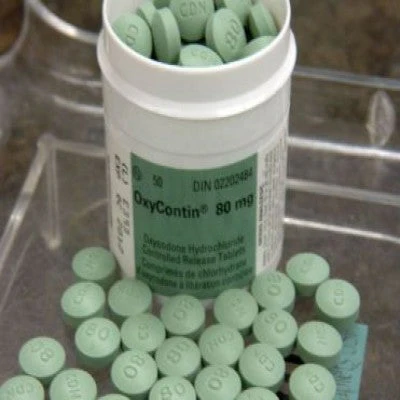
OxyContin 80 mg is an extended-release prescription medicine containing oxycodone hydrochloride, a potent opioid pain reliever. It is intended for carefully selected patients with severe, persistent pain when alternative treatments are inadequate. Because it can cause addiction, overdose, and life-threatening breathing problems, it requires strict medical supervision.
Understanding its approved uses, potential side effects, and safety precautions is essential for patients and caregivers.
1. What Is OxyContin 80 mg?
OxyContin is a brand-name extended-release formulation of oxycodone. The 80 mg strength is designed to release the medicine over an extended period rather than all at once.
In the United States, OxyContin is indicated for severe, persistent pain requiring an opioid when alternative treatment options are inadequate. It is not intended for occasional, as-needed pain relief.
This strength is associated with substantial opioid exposure and is not appropriate for opioid-naive patients. A qualified prescriber must evaluate opioid tolerance, medical history, other medications, and individual risk factors before determining whether extended-release oxycodone is appropriate.
OxyContin is a controlled prescription medicine and must be used only by the person for whom it was prescribed.
2. What Is OxyContin Used For?
OxyContin may be prescribed for selected patients with severe, ongoing pain that requires extended-release opioid treatment. The decision depends on the diagnosis, severity and persistence of pain, previous treatment outcomes, and an assessment of potential benefits and harms.
It is not intended for minor pain, routine discomfort, or occasional pain episodes. Other approaches, including non-opioid medicines and non-drug pain-management strategies, may be more appropriate for many patients.
Patients should discuss their treatment goals and available alternatives with a healthcare professional before beginning opioid therapy.
3. How Does Extended-Release Oxycodone Work?
Oxycodone acts on opioid receptors in the central nervous system, changing how the brain and spinal cord process pain signals. This can reduce pain perception but may also cause sedation, constipation, and slowed breathing.
The extended-release formulation is designed to release oxycodone over time. Crushing, chewing, cutting, or dissolving the tablet can interfere with that mechanism and potentially release a dangerous amount of medicine.
OxyContin tablets must be taken according to the official product instructions and swallowed whole. Never alter the tablet or change the prescribed treatment without medical advice.
4. Common Side Effects Oxycontin 80mg Oxycontin 80mg Oxycontin 80mg
OxyContin can cause several side effects, including:
- Constipation
- Nausea and vomiting
- Drowsiness
- Dizziness
- Headache
- Itching or sweating
Drowsiness and dizziness may interfere with driving, operating machinery, and other activities requiring concentration. Patients should avoid these activities if their alertness or coordination is impaired. Oxycontin 80mg Oxycontin 80mg Oxycontin 80mg
Constipation can persist during opioid treatment. Seek medical advice if it becomes severe, especially when accompanied by abdominal pain, vomiting, or an inability to pass stool or gas.
Report persistent or concerning symptoms to the prescribing clinician rather than independently changing the dose.
5. Serious Risks: Overdose and Respiratory Depression Oxycontin 80mg Oxycontin 80mg Oxycontin 80mg Oxycontin 80mg Oxycontin 80mg
OxyContin carries serious risks of addiction, misuse, physical dependence, overdose, and potentially fatal respiratory depression. Extended-release opioids can cause prolonged breathing problems, particularly when used incorrectly or combined with other sedating substances.
Warning signs of an opioid overdose include:
- Slow, shallow, or irregular breathing
- Extreme sleepiness or difficulty waking
- Unusual snoring or gurgling sounds
- Blue or grey lips or fingertips
- Loss of consciousness
If an overdose is suspected, contact local emergency services immediately. Administer naloxone if available and follow its instructions while waiting for emergency assistance.
Alcohol, benzodiazepines, sleeping medicines, other opioids, and certain sedatives can greatly increase the risk of dangerous sedation and breathing problems.
6. Important Precautions and Drug Interactions
OxyContin may be unsuitable for people with significant respiratory depression, certain severe breathing conditions, gastrointestinal obstruction, or a serious allergy to oxycodone. People with lung disease and other significant medical conditions may need additional precautions.
Important considerations include:
- Medication interactions: Some medicines can increase oxycodone exposure or intensify sedation and respiratory depression.
- Pregnancy: Prolonged opioid use during pregnancy can cause opioid withdrawal in a newborn.
- Physical dependence: The body can adapt to opioid treatment. Dependence is not the same as addiction, but discontinuation requires careful management.
- Stopping treatment: Abrupt discontinuation after regular use can cause withdrawal symptoms. A healthcare professional should guide any reduction.
- Secure storage: Keep the medicine locked away from children and anyone for whom it was not prescribed.
Never share OxyContin with another person. Accidental ingestion can be fatal, especially in children.
7. Frequently Asked Questions About OxyContin 80 mg
Is OxyContin 80 mg extended-release?
Yes. OxyContin is an extended-release oxycodone formulation designed to release medicine over time.
Is it suitable for someone who has never taken opioids?
The 80 mg strength is not appropriate for opioid-naive patients. Opioid tolerance and suitability must be assessed by a qualified prescriber.
Can the tablet be crushed or chewed?
No. Altering an extended-release tablet can release oxycodone too quickly and create a potentially fatal overdose risk.
Can OxyContin be taken with alcohol?
Combining OxyContin with alcohol can cause severe sedation, respiratory depression, coma, or death. Avoid alcohol and discuss all medicines and substances with a healthcare professional.
What should caregivers know about overdose?
Recognize signs such as slow breathing and difficulty waking, call emergency services immediately, and administer naloxone if available according to its instructions.
Conclusion
OxyContin 80 mg contains extended-release oxycodone, a potent opioid reserved for carefully selected patients with severe, persistent pain. It carries serious risks, including addiction, physical dependence, overdose, and life-threatening respiratory depression.
Use it only when prescribed for the person receiving it, follow the official product instructions, and store it securely. Seek emergency assistance for suspected overdose or severe breathing problems. Oxycontin 80mg Oxycontin 80mg Oxycontin 80mg Oxycontin 80mg Oxycontin 80mg Oxycontin 80mg Oxycontin 80mg
Medical disclaimer: This article is for educational purposes only and does not replace professional medical advice, diagnosis, or treatment. OxyContin is a controlled prescription medicine. Approved indications and prescribing requirements vary by country. Consult a qualified healthcare professional or pharmacist for individualized guidance.
References
- DailyMed. OxyContin (oxycodone hydrochloride extended-release tablets) prescribing information. https://dailymed.nlm.nih.gov/dailymed/drugInfo.cfm?setid=bfdfe235-d717-4855-a3c8-a13d26dadede
- US Food and Drug Administration. Opioid medications and safety information. https://www.fda.gov/drugs/information-drug-class/opioid-medications
- US Food and Drug Administration. Naloxone and opioid overdose reversal information. https://www.fda.gov/drugs/postmarket-drug-safety-information-patients-and-providers