
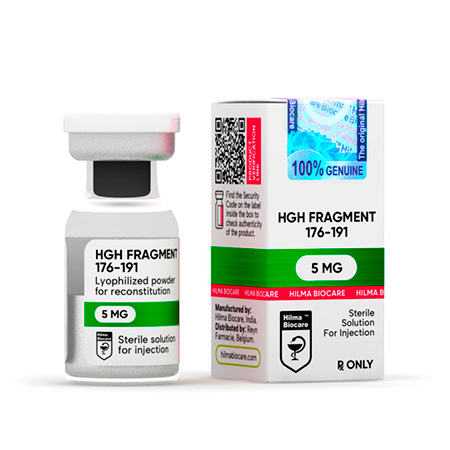
HGH Fragment 176-191 5 MG/VIAL – 1 VIAL | UK Research Product Information
HGH Fragment 176-191 is an experimental peptide fragment studied in scientific research involving biological signalling and mechanisms associated with the larger human growth hormone molecule. This presentation is specified as 5 mg per vial, with one vial supplied. For a UK-facing website, accurate product information should focus on the material’s identity, specification, research context, quality considerations, and responsible handling without presenting experimental findings as established medical benefits.
Product Overview
HGH Fragment 176-191 refers to a specific sequence derived from the C-terminal region of human growth hormone. Researchers have investigated peptide fragments to better understand biological activity, molecular interactions, and signalling mechanisms.
Scientific interest in a peptide fragment does not mean that laboratory findings establish safety or effectiveness for human use. Research conducted in cell systems, animal models, or other experimental environments requires appropriate interpretation and should not automatically be translated into clinical recommendations.
A professional product page should therefore distinguish research information from medical advice and concentrate on verifiable product characteristics.
5 MG/VIAL – 1 VIAL Specification
This presentation contains 5 mg of research material per vial and includes one vial in the package. Researchers should consult the manufacturer’s current documentation for precise information concerning product identity, composition, analytical specifications, batch details, purity information, storage requirements, and handling.
Clear labeling can help laboratories maintain organized inventories and distinguish materials with similar names or different quantities. The vial should correspond with the product description and accompanying documentation.
Upon receipt, researchers should inspect the packaging and container. If the vial is damaged, leaking, incorrectly labeled, or otherwise compromised, the material should not be handled for research until the issue has been clarified with the supplier.
Scientific Research Context
Research involving HGH-derived fragments can contribute to investigations of peptide structure, molecular interactions, receptor-related mechanisms, and biological signalling. Researchers may examine how particular sequences behave under controlled experimental conditions.
However, experimental research should not be confused with established clinical treatment. Findings from laboratory studies do not automatically demonstrate safety, efficacy, appropriate dosage, or suitability for human administration.
Responsible product information should therefore avoid claims concerning guaranteed fat loss, body composition, athletic performance, muscle development, hormone optimization, or therapeutic outcomes. Such claims can misrepresent the current research context.
Quality and Documentation
Quality documentation is an important consideration when evaluating research peptides. Depending on the supplier, available information may include batch identification, analytical testing, purity data, manufacturing details, product specifications, and storage recommendations.
Researchers should compare the physical labeling with the published specification and supplied documentation. Consistent identification can support traceability and help laboratories maintain accurate research records.
A credible product page should avoid unsupported statements about purity or performance. Where analytical information is supplied, it should be presented accurately and without implying that laboratory testing establishes clinical safety or effectiveness.
Storage and Handling
Storage conditions should always be based on the manufacturer’s current documentation. Peptide materials may have specific requirements relating to temperature, light, moisture, and contamination.
Researchers should follow their laboratory’s established procedures for receiving, storing, handling, and disposing of experimental materials. Appropriate protective measures should be selected according to the available safety documentation and the laboratory’s own risk assessment.
Keeping the material in its original labeled container can help preserve product identification and traceability. If storage or handling instructions are unclear, researchers should obtain clarification from the supplier or an appropriately qualified professional.
UK Research Considerations
UK researchers should consider the requirements applicable to their particular laboratory activities and intended research use. Regulatory and institutional requirements can vary according to the setting, purpose, and nature of the research.
HGH Fragment 176-191 should not be represented as a licensed medicine or promoted as a substitute for professional healthcare. A responsible UK product page should clearly communicate the experimental research context.
Questions involving human administration, medical treatment, prescription medicines, or potential health effects should be directed to an appropriately qualified healthcare professional rather than answered through promotional product copy.
Choosing Research Materials
When comparing research peptides, researchers may consider product identity, vial quantity, packaging integrity, available documentation, supplier transparency, and customer support. These factors can provide a more useful basis for evaluating laboratory materials than marketing claims alone.
The single-vial 5 mg format offers a clearly defined package specification for inventory management. Researchers should verify that the stated quantity and available documentation meet their project’s requirements before acquiring research material.
SEO-Friendly Product Information
A strong UK SEO page should use relevant terminology naturally while maintaining readability. Supporting phrases such as peptide research, laboratory material, HGH-derived fragment, 5 mg vial, experimental peptide, product specification, quality documentation, and storage information can establish useful topical relevance.
Avoiding excessive repetition helps the page read naturally for visitors while still communicating the product’s key characteristics. Informative headings and concise sections can also make important specifications easier to find.
Conclusion
HGH Fragment 176-191 5 MG/VIAL – 1 VIAL is an experimental peptide format associated with scientific research into biological mechanisms and peptide signalling. The stated presentation contains 5 mg per vial and supplies one vial per package.
For UK research audiences, responsible product information should emphasize accurate specifications, transparent documentation, appropriate storage, careful handling, and a clear distinction between experimental research and medical treatment.
Researchers should always review the manufacturer’s latest documentation, follow institutional laboratory procedures, and comply with applicable UK requirements. Experimental findings should not be presented as guaranteed human outcomes, and online product information should not replace advice from qualified healthcare or regulatory professionals.
Reviews
There are no reviews yet.