
Testosterone Undecanoate (Andriol, Nebido) 250 mg/mL – 10 mL: UK Product Information
Overview
Testosterone undecanoate is an ester of testosterone used in certain testosterone replacement therapies when clinically appropriate. Testosterone is a naturally occurring androgen involved in reproductive function, bone health, muscle physiology, red blood cell production, and wider endocrine regulation.
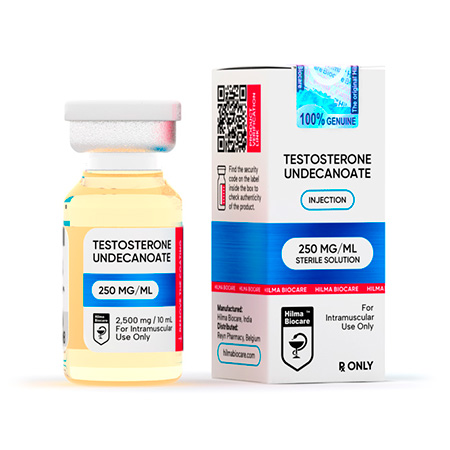
The stated presentation is 250 mg/mL in a 10 mL container. This describes the labelled concentration and volume only. It should not be interpreted as a recommended dose, treatment schedule, or instruction for self-administration.
For UK readers, testosterone medicines should be distinguished from dietary supplements and unregulated anabolic-steroid products. Treatment requires appropriate clinical assessment, a confirmed medical indication, and professional monitoring.
What Is Testosterone Undecanoate?
Testosterone undecanoate is produced by attaching an undecanoate ester to the testosterone molecule. The ester affects the release and duration characteristics of the hormone following administration.
Testosterone undecanoate can be formulated in different pharmaceutical preparations and routes of administration. Products should therefore be assessed according to their specific formulation rather than assuming that all preparations containing the same active substance are interchangeable.
Andriol and Nebido are names associated with different testosterone undecanoate formulations. Their dosage forms, strengths, administration methods, and product characteristics can differ. Patients should follow the information provided for the specific medicine prescribed to them.
250 mg/mL – 10 mL Presentation
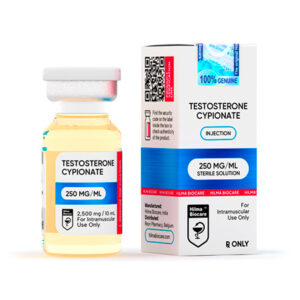
The stated concentration is 250 mg per millilitre, while the container volume is 10 mL. Assuming the labelled concentration is uniform throughout the preparation, the stated container represents a nominal 2,500 mg of testosterone ester.
This calculation is provided solely to clarify the product specification. It does not establish a recommended amount, frequency of administration, or treatment duration.
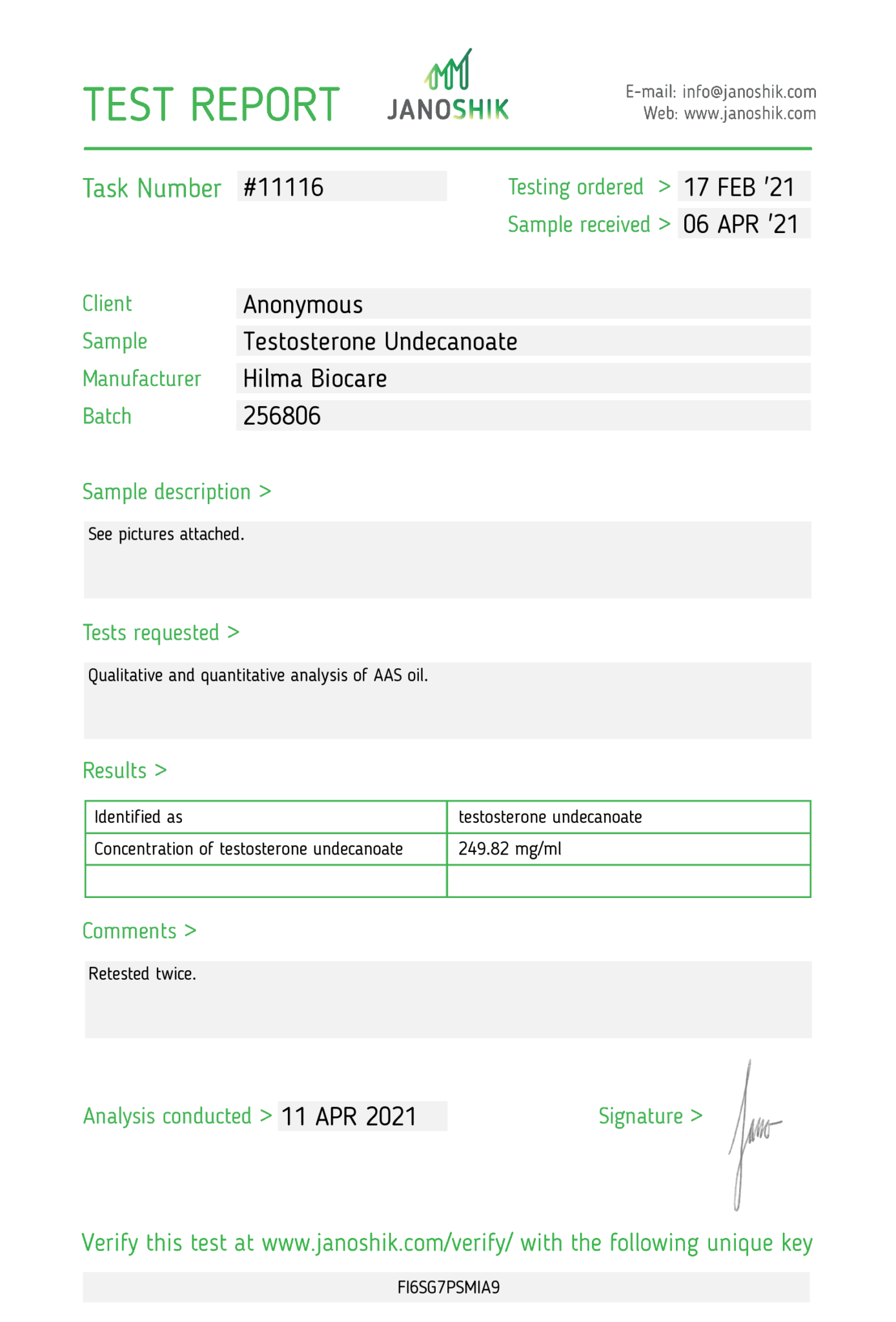
When reviewing a testosterone medicine, important details include the active ingredient, formulation, concentration, manufacturer, batch or lot number, expiry date, packaging integrity, storage conditions, and official product information.
Medical Context
Testosterone replacement therapy may be considered for individuals with clinically significant testosterone deficiency when symptoms and appropriate medical investigations support treatment.
Diagnosis should involve appropriate clinical evaluation rather than being based solely on a desire to use testosterone or on one isolated laboratory result. A healthcare professional considers symptoms, medical history, laboratory findings, and other relevant factors.
Testosterone replacement is intended to address a diagnosed medical need. It should not be described as a general-purpose supplement for bodybuilding, athletic performance, weight reduction, appearance, or increased energy in individuals without an established indication.
Clinical Assessment and Monitoring
Before treatment begins, a healthcare professional may review symptoms, medical history, cardiovascular risk factors, reproductive plans, existing conditions, and current medicines.
Appropriate laboratory investigations may be required before and during therapy. Follow-up monitoring allows clinicians to evaluate treatment response, potential adverse effects, and whether continued therapy remains appropriate.
Monitoring requirements depend on the individual and the particular formulation prescribed. Patients should not independently alter the amount, frequency, administration method, or duration of testosterone treatment.
Potential Health Considerations
Testosterone therapy can cause adverse effects and requires appropriate medical supervision. Potential concerns include acne, fluid retention, changes in blood pressure, alterations in blood cell counts, mood-related effects, and changes in reproductive function.
External testosterone can suppress natural hormone production and may reduce sperm production. Individuals considering future fertility should discuss their plans with a qualified healthcare professional before treatment.
People with existing medical conditions or those taking other medicines should provide complete information to their clinician. This helps healthcare professionals assess potential contraindications, interactions, and monitoring requirements.
Storage and Handling
Storage requirements depend on the specific authorised formulation. Patients should follow the storage instructions supplied with their medicine and the manufacturer’s official information.
The container should remain correctly labelled and intact. A medicine should not be used if the packaging is damaged, the label cannot be verified, the expiry date has passed, or storage conditions are uncertain.
Pharmacists can provide guidance concerning medicine storage, expiry dates, packaging, and appropriate handling.
UK Regulatory Considerations
UK consumers should obtain prescription testosterone through legitimate healthcare and pharmacy channels. The Medicines and Healthcare products Regulatory Agency (MHRA) provides regulatory oversight and medicine-safety information within the United Kingdom.
Online availability does not demonstrate that a testosterone preparation is authorised, genuine, or appropriate for an individual. Products from unregulated sources can involve risks including counterfeit packaging, inaccurate concentrations, incorrect ingredients, contamination, and unsuitable storage.
Responsible UK product content should therefore avoid implying that prescription testosterone is suitable for unsupervised use.
Responsible SEO Information
A strong UK-focused SEO page can build topical relevance without repeatedly using one commercial phrase. Related terminology may include testosterone undecanoate, Andriol, Nebido, testosterone replacement therapy, testosterone deficiency, testosterone ester, prescription testosterone, 250 mg/mL, 10 mL presentation, hormone replacement, UK prescribing, medicine safety, and clinical monitoring.
Natural semantic variation improves readability and avoids keyword stuffing. Informative headings, accurate product specifications, and transparent regulatory information can also provide greater value to visitors and support high-quality search content.
Product Summary
Testosterone Undecanoate (Andriol, Nebido) 250 mg/mL – 10 mL describes a testosterone-ester presentation with a stated concentration of 250 mg/mL and a container volume of 10 mL. The nominal quantity represented by these specifications is 2,500 mg of testosterone ester, assuming the labelled concentration is uniform.
The stated strength does not determine medical suitability or establish an individual’s treatment requirements. Testosterone replacement should only be considered following appropriate clinical assessment and diagnosis.
This page provides factual product and health information. It does not recommend self-administration, provide a personal treatment plan, or establish dosing instructions.
UK readers seeking information about testosterone deficiency, prescription requirements, fertility considerations, treatment monitoring, or possible adverse effects should consult a qualified healthcare professional or pharmacist for individual guidance.
Reviews
There are no reviews yet.