Vyvanse 50mg: 7 Essential Facts About Uses, Benefits, and Safety
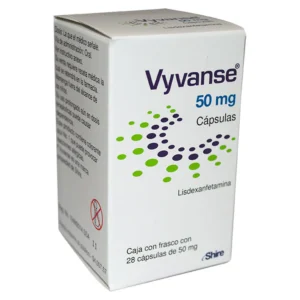
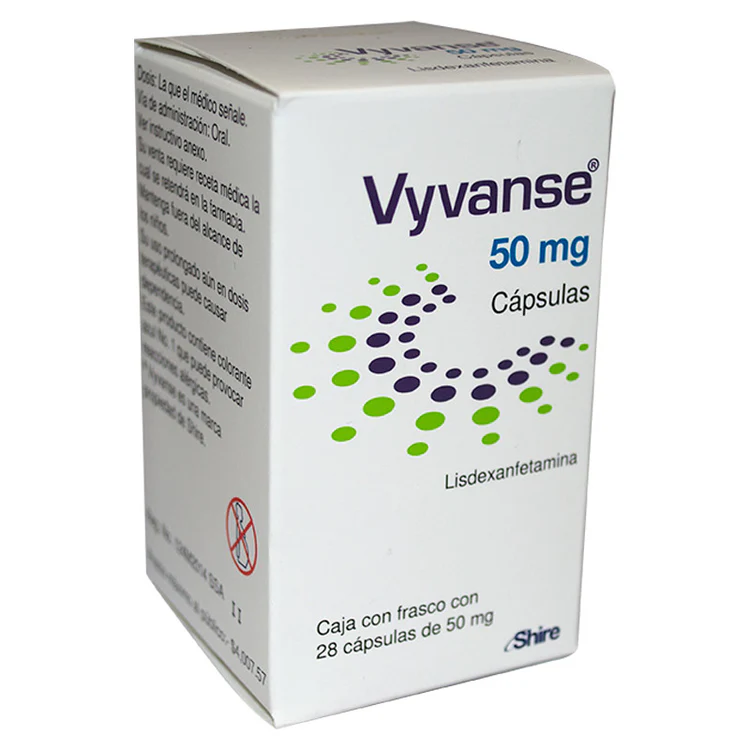
Vyvanse 50mg is a prescription medication containing lisdexamfetamine, a central nervous system stimulant used to treat attention-deficit/hyperactivity disorder (ADHD) and, in some countries, moderate to severe binge-eating disorder in adults. It is a prodrug that the body converts into dextroamphetamine. Treatment requires medical supervision because it can affect appetite, sleep, heart rate, and blood pressure and may cause dependence or misuse.
1. What Is Vyvanse 50mg?
Vyvanse 50mg contains 50 milligrams of lisdexamfetamine. It is designed to provide a prolonged therapeutic effect after the body converts the active ingredient into dextroamphetamine.
The appropriate dose depends on the person’s diagnosis, treatment response, medical history, and other medications. Vyvanse should only be used by the person for whom it was prescribed.
2. What Is Vyvanse Used For?
Vyvanse is approved for specific conditions depending on the country and product labeling.
- ADHD: May help improve attention and reduce impulsivity and hyperactivity.
- Binge-eating disorder: May reduce binge-eating episodes in eligible adults where this use is approved.
Vyvanse is not approved as a weight-loss medication or as a substitute for adequate sleep. A healthcare professional should determine whether treatment is appropriate.
3. How Does Vyvanse Work?
Lisdexamfetamine is converted in the body into dextroamphetamine, which affects the activity of dopamine and norepinephrine in the brain. These neurotransmitters play important roles in attention, motivation, and behavioral regulation.
The medication may improve certain symptoms when used appropriately, but individual responses vary. It does not replace behavioral support, healthy routines, or adequate sleep.
4. Dosage and Administration
Vyvanse 50mg should be taken exactly as prescribed. The appropriate starting dose and adjustments depend on the condition being treated, response to therapy, and official prescribing guidance.
Do not increase the dose, share the medication, or take additional doses to improve concentration or energy. Follow the product instructions for missed doses and consult a pharmacist if you are unsure how to take it.
5. Possible Side Effects
Common side effects may include:
- Reduced appetite.
- Insomnia or difficulty sleeping.
- Dry mouth.
- Anxiety or irritability.
- Nausea or stomach discomfort.
- Increased heart rate or blood pressure.
Seek urgent medical attention for chest pain, fainting, severe agitation, hallucinations, or other serious symptoms.
6. Precautions and Drug Interactions
Before starting Vyvanse, tell your healthcare professional about heart disease, high blood pressure, mental health conditions, substance-use history, and all medicines or supplements you take.
Vyvanse must not be used with monoamine oxidase inhibitors (MAOIs), or within the specified period after stopping them, because the combination can cause a dangerous increase in blood pressure. Other medications may also interact with lisdexamfetamine.
Vyvanse has a risk of misuse, addiction, and physical dependence. Use it only under professional supervision and store it securely.
7. Storage and Responsible Use
Store Vyvanse according to the manufacturer’s instructions and keep it in a secure place away from children and other people. Never share prescription stimulants.
Obtain the medication through a legitimate pharmacy and follow local regulations for storage and disposal of unused medication.
Frequently Asked Questions
What is Vyvanse 50mg used for?
It is used to treat ADHD and, in some jurisdictions, moderate to severe binge-eating disorder in eligible adults.
Does Vyvanse help with focus?
It may improve attention and reduce certain ADHD symptoms in people for whom it is appropriately prescribed.
Can Vyvanse cause insomnia?
Yes. Difficulty sleeping is a recognized side effect.
Can Vyvanse cause dependence?
Yes. Lisdexamfetamine carries a risk of misuse, addiction, and physical dependence.
Conclusion
Vyvanse 50mg is a prescription medication containing lisdexamfetamine. It can help manage ADHD and certain cases of binge-eating disorder when prescribed appropriately. Understanding its uses, side effects, interactions, and risks is essential for safe treatment. Always follow official prescribing information and consult a qualified healthcare professional before starting or changing medication.