
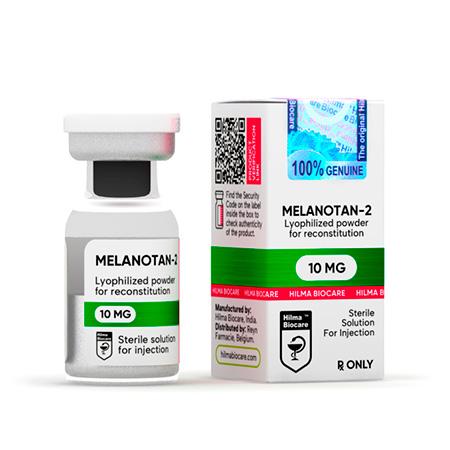
Melanotan-2 10 mg/Vial – 1 Vial: Research Product Information for the UK
Overview of Melanotan-2
Melanotan-2 is a synthetic peptide analogue that has been investigated in scientific research concerning melanocortin receptors and pigmentation-related biological pathways. The compound is structurally related to naturally occurring melanocortin peptides and has been the subject of experimental research exploring receptor activity and physiological signalling.
The listed presentation contains 10 mg per vial and includes one vial. This specification describes the stated quantity supplied and should not be interpreted as a recommended amount for human administration.
For UK audiences, it is important to distinguish experimental compounds from licensed medicines. Melanotan-2 is not an approved tanning medicine in the United Kingdom, and products marketed for unsupervised human use should not be presented as established medical treatments.
What Is Melanotan-2?
Melanotan-2 is a synthetic analogue associated with the melanocortin system. Researchers have examined its interactions with melanocortin receptors and related biological processes.
The melanocortin system is involved in several physiological functions, including pigmentation and other signalling pathways. Because these pathways are complex, laboratory findings involving an experimental peptide should not automatically be interpreted as evidence of safety or effectiveness in people.
Scientific investigation can involve examining receptor activity, molecular characteristics, peptide stability, and biological responses under controlled experimental conditions. These studies require appropriate laboratory methods and carefully defined research protocols.
10 mg/Vial Presentation
The stated product format is 10 mg per vial with one vial supplied. Researchers should confirm the exact product specifications through available technical documentation before using any material in laboratory work.
Important information may include the compound’s identity, batch or lot number, purity information, analytical results, formulation, and recommended storage conditions. A certificate of analysis can provide additional information about quality-control testing associated with a particular batch.
The quantity stated on a product page does not establish an appropriate research concentration or experimental protocol. Researchers should determine experimental parameters through validated procedures and relevant scientific literature rather than relying on commercial descriptions.
Research Applications
Melanotan-2 may be encountered in research involving melanocortin receptors, peptide signalling, pigmentation pathways, and related areas of molecular or cellular biology.
Experimental studies can investigate how synthetic peptide analogues interact with biological targets and how receptor signalling changes under controlled conditions. Such work can contribute to understanding melanocortin-related mechanisms without implying that the compound has an established therapeutic application.
Research findings should be interpreted according to the type of study performed. Results from laboratory models, cellular experiments, or other preclinical systems cannot automatically be transferred to human health outcomes.
Laboratory Quality and Documentation
Reliable documentation is an important consideration when evaluating research peptides. Researchers should seek clear identification and supporting analytical information wherever available.
Relevant documentation can include a certificate of analysis, batch identification, stated purity, molecular information, testing methodology, and storage recommendations. These details can help laboratories determine whether a material is suitable for a particular research workflow.
Researchers should also maintain appropriate records covering receipt, storage, use, and disposal of laboratory materials. Institutional quality-control procedures can provide additional safeguards when working with experimental compounds.
Storage and Handling
Storage conditions should be determined from the manufacturer’s technical documentation rather than assumed from general peptide-handling practices. Temperature, moisture, light exposure, formulation, and container integrity can all affect the condition of laboratory materials.
The original packaging should remain properly labelled, and vials should be inspected for visible damage or compromised seals. Material with uncertain identity, damaged packaging, or unclear labelling should be handled according to the laboratory’s quality-control procedures.
Qualified laboratory personnel should follow appropriate safety assessments, protective measures, and institutional procedures when handling experimental substances.
UK Regulatory Considerations
Researchers and consumers in the United Kingdom should understand the distinction between research materials and authorised medicines. The presence of a compound on a website or in scientific literature does not mean that it has received UK marketing authorisation for therapeutic or cosmetic use.
Melanotan-2 should not be represented as an approved treatment for tanning, pigmentation disorders, weight management, sexual dysfunction, or other medical conditions. Responsible product information should clearly communicate its experimental status and avoid unsupported claims.
Research organisations should follow relevant institutional policies and applicable UK requirements when conducting laboratory, animal, or human-related research. Additional approvals may be required depending on the nature of a study.
Responsible Product Information
A high-quality UK research product page should provide factual information without overstating scientific evidence. Clear terminology can help researchers distinguish product specifications from marketing claims.
Useful search terms can naturally include synthetic peptide, melanocortin research, peptide research material, laboratory compound, 10 mg vial, analytical documentation, research peptide, and UK research supplies. Natural topical relevance is preferable to excessive repetition of a single keyword.
Product Summary
Melanotan-2 10 mg/Vial – 1 Vial describes a research-oriented presentation containing a stated 10 mg quantity in one vial. The compound has been investigated experimentally in relation to melanocortin receptors and pigmentation-associated signalling pathways.
Researchers should review product identity, batch information, analytical documentation, purity data, storage requirements, and applicable laboratory procedures before incorporating experimental material into research.
This information is intended for responsible research communication and does not constitute medical advice or establish a therapeutic use for Melanotan-2. It should not be interpreted as instructions for human administration, tanning, or treatment. Appropriate laboratory controls, institutional procedures, and applicable UK requirements should always be considered when working with experimental peptide materials.
Reviews
There are no reviews yet.