
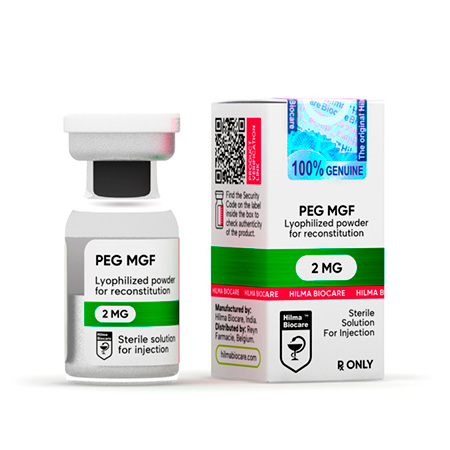
PEG MGF 2 mg/Vial – 1 Vial: Research Product Information for the UK
Overview of PEG MGF
PEG MGF is an experimental peptide derivative associated with research into mechano growth factor (MGF) and insulin-like growth factor signalling pathways. Researchers have examined MGF-related mechanisms because they are involved in complex biological processes connected with cellular signalling, tissue responses, and growth-factor activity.
The listed presentation contains 2 mg per vial and includes one vial. This specification identifies the stated quantity supplied and should not be interpreted as a recommended dose, treatment schedule, or indication for human administration.
For UK audiences, clear differentiation between research materials and authorised medicines is important. Experimental peptides should not be presented as approved treatments for medical conditions, athletic performance, muscle development, or other human-use purposes unless supported by appropriate regulatory authorisation.
What Is PEG MGF?
PEG MGF refers to a polyethylene glycol-modified form associated with MGF research. PEGylation involves attaching polyethylene glycol to a molecule, a modification that researchers may investigate in relation to molecular characteristics and stability.
MGF itself is associated with alternative forms of insulin-like growth factor-related signalling. Scientific research into these pathways examines how growth-factor systems communicate with cells and how different molecular structures may influence experimental outcomes.
The biology surrounding IGF and MGF is complex. Consequently, findings from laboratory research should not automatically be interpreted as evidence that an experimental peptide is safe or effective for people.
2 mg/Vial Presentation
The stated product format is 2 mg per vial with one vial supplied. Researchers should verify the product identity and specifications using the manufacturer’s documentation before incorporating any material into an experimental workflow.
Important information may include the stated peptide sequence, molecular characteristics, purity data, analytical testing, batch identification, and storage recommendations. Where available, a certificate of analysis can provide additional information about the quality-control testing performed on a specific batch.
The amount listed on a product page does not determine an appropriate experimental concentration or protocol. Research parameters should instead be established using validated laboratory procedures and relevant scientific literature.
Research Applications
PEG MGF may be encountered in experimental research involving growth-factor signalling, peptide chemistry, molecular biology, cellular responses, and related laboratory disciplines.
Researchers studying growth-factor pathways may investigate molecular interactions, receptor signalling, cellular responses, and other biological mechanisms. Such studies can contribute to a broader understanding of peptide-mediated signalling under controlled laboratory conditions.
Experimental findings need to be interpreted according to the model and methodology used. Results from cell cultures, biochemical systems, animal studies, or other preclinical models cannot automatically demonstrate safety, effectiveness, or appropriate use in humans.
Laboratory Quality Considerations
Quality documentation is an important part of evaluating research peptides. Laboratories should look for clear identification and supporting analytical information before using an experimental material.
Relevant documentation can include a certificate of analysis, batch number, stated purity, analytical results, molecular information, and storage instructions. Researchers may also evaluate whether the supplier provides consistent documentation and appropriate packaging.
Maintaining accurate laboratory records can help researchers track the identity and handling history of experimental materials. Institutional quality-control procedures should be followed whenever research compounds are received, stored, examined, or used.
Storage and Handling
Storage requirements depend on the specific formulation and manufacturer’s instructions. Researchers should therefore consult the original technical documentation rather than relying solely on generic peptide-storage recommendations.
Materials should remain appropriately labelled and protected according to documented storage conditions. Vials with damaged packaging, unclear identification, compromised seals, or unexpected appearance should be assessed under appropriate laboratory quality procedures before use.
Qualified personnel should follow relevant laboratory safety practices and institutional risk assessments when handling experimental compounds. Disposal should also follow applicable laboratory procedures.
UK Research Context
In the United Kingdom, research materials should be clearly distinguished from medicines authorised for human treatment. The presence of an experimental peptide in scientific publications or on a research website does not establish regulatory approval for therapeutic use.
PEG MGF should therefore not be marketed as an approved medicine or represented as a proven method for treating disease, increasing muscle mass, enhancing athletic performance, accelerating recovery, or producing other human health outcomes.
Research organisations should follow applicable institutional requirements and UK regulations relevant to their specific research activities. Studies involving animals or human participants may require additional ethical review, permissions, or regulatory oversight.
Responsible SEO and Product Information
A strong UK research-product page should prioritise accurate information over repetitive commercial language. Relevant semantic terms can include experimental peptide, MGF research, growth-factor signalling, peptide research material, laboratory compound, 2 mg vial, analytical testing, certificate of analysis, and research-use product.
Using related terminology naturally helps search engines understand the subject without relying on excessive repetition of the primary keyword. Clear headings, concise product specifications, transparent research context, and factual descriptions can also improve the usefulness of the page for researchers.
Product Summary
PEG MGF 2 mg/Vial – 1 Vial describes a research-oriented presentation containing a stated 2 mg quantity in one vial. The compound is associated with experimental investigations into MGF-related and growth-factor signalling pathways.
Researchers should verify identity, purity information, batch documentation, analytical testing, storage conditions, and applicable handling procedures before using any research material.
This information is provided for responsible scientific and research communication. It does not constitute medical advice, establish therapeutic efficacy, or provide instructions for human administration. Experimental compounds should remain within their appropriate research context and should be handled by qualified personnel using suitable laboratory procedures and applicable UK requirements.
Reviews
There are no reviews yet.